
Your Essential Mount Teide Travel Guide
Plan your perfect trip to Spain’s highest peak. Learn about cable car tickets, hiking permits, and the best viewpoints in the National Park.
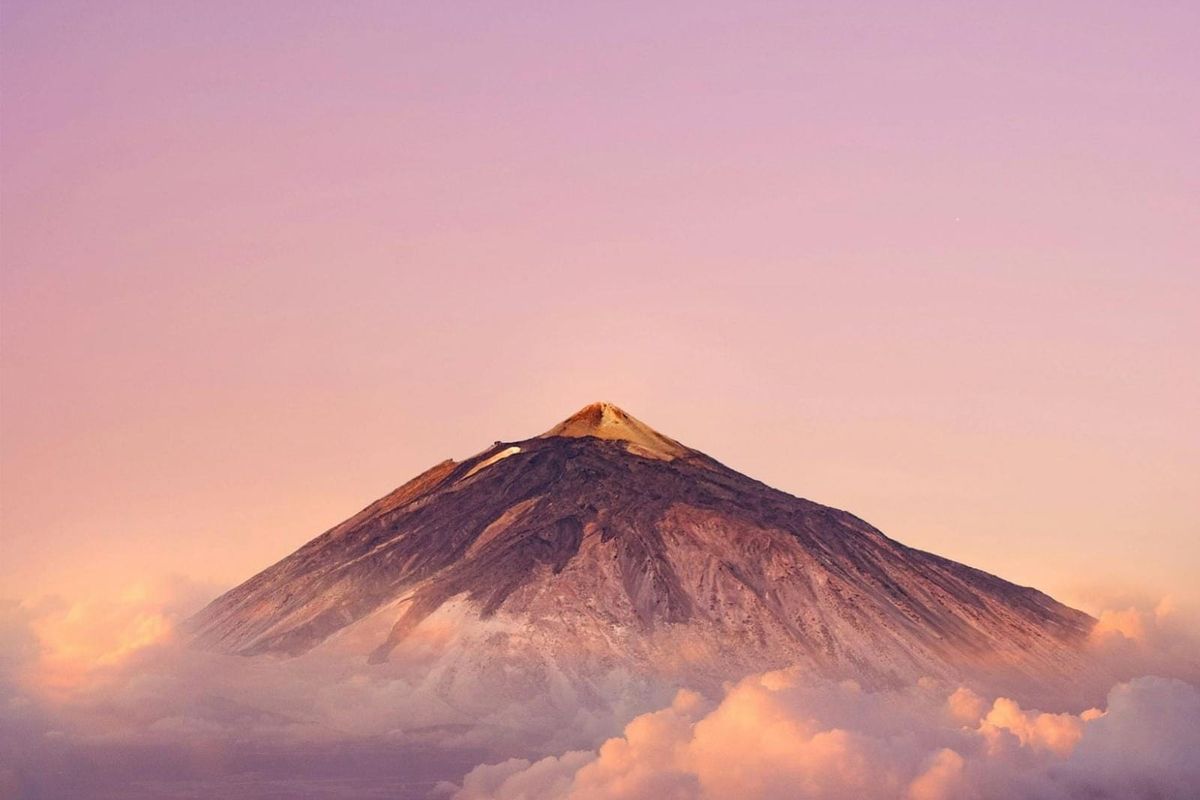
Mount Teide goes by many names, but one thing is certain: it's a place worth visiting at least once in a lifetime. In our guide, we'll tell you all about the weather on Teide, the most interesting locations, the best viewpoints, hiking trails, stargazing, and much more.
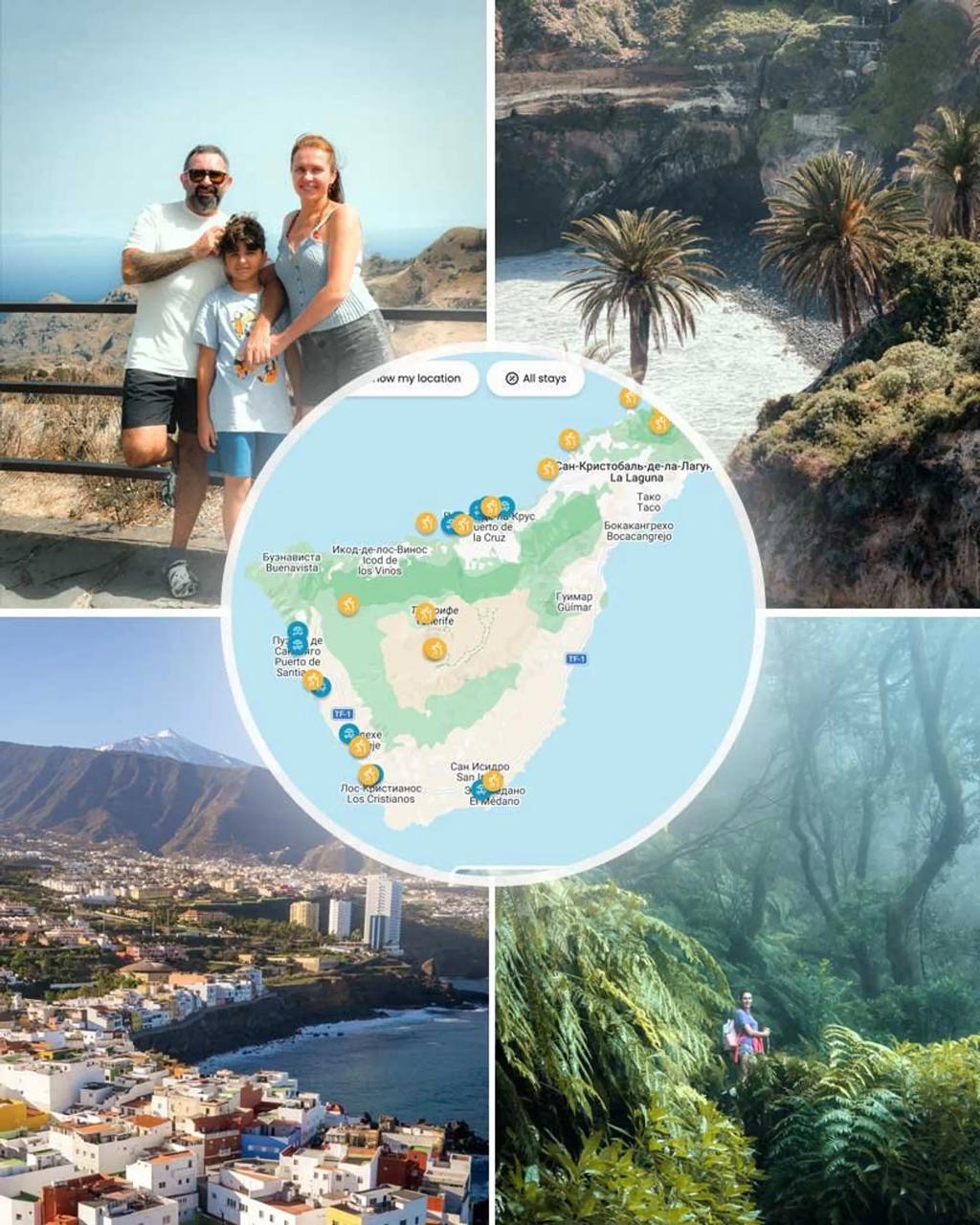
Explore Tenerife with Our Premium Guide
Save planning time with our personally tested locations, practical tips and an interactive map of Tenerife.
Tenerife is a place where you can sip coffee by the ocean in the morning, and just an hour later, find yourself standing among solidified lava flows. Mount Teide is the island's iconic landmark, known worldwide. It's the highest point in Spain, and for that reason, it's also known as "The Roof of Spain." In the nature reserve surrounding the volcano, the landscape differs from the rest of the island. It looks like it was plucked straight from Mars.
We couldn't let this place go unnoticed, so we've prepared a guide where we'll share the best viewpoints, hiking routes near Teide, practical tips, and other useful information. We've also included map locations for the best spots and details you may not have known about.
The Google map includes all places so you can quickly understand the area and plan your visit easily.
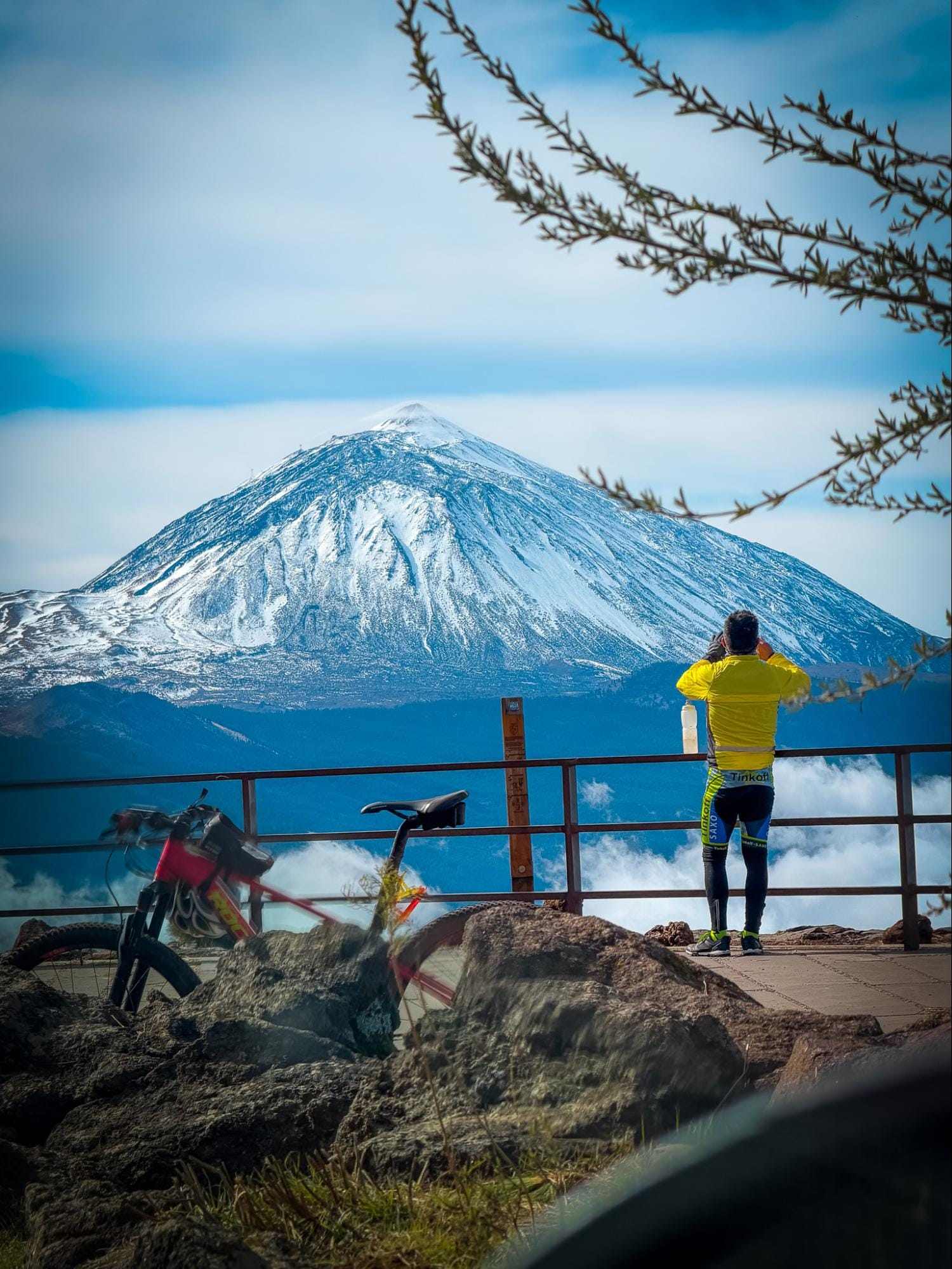
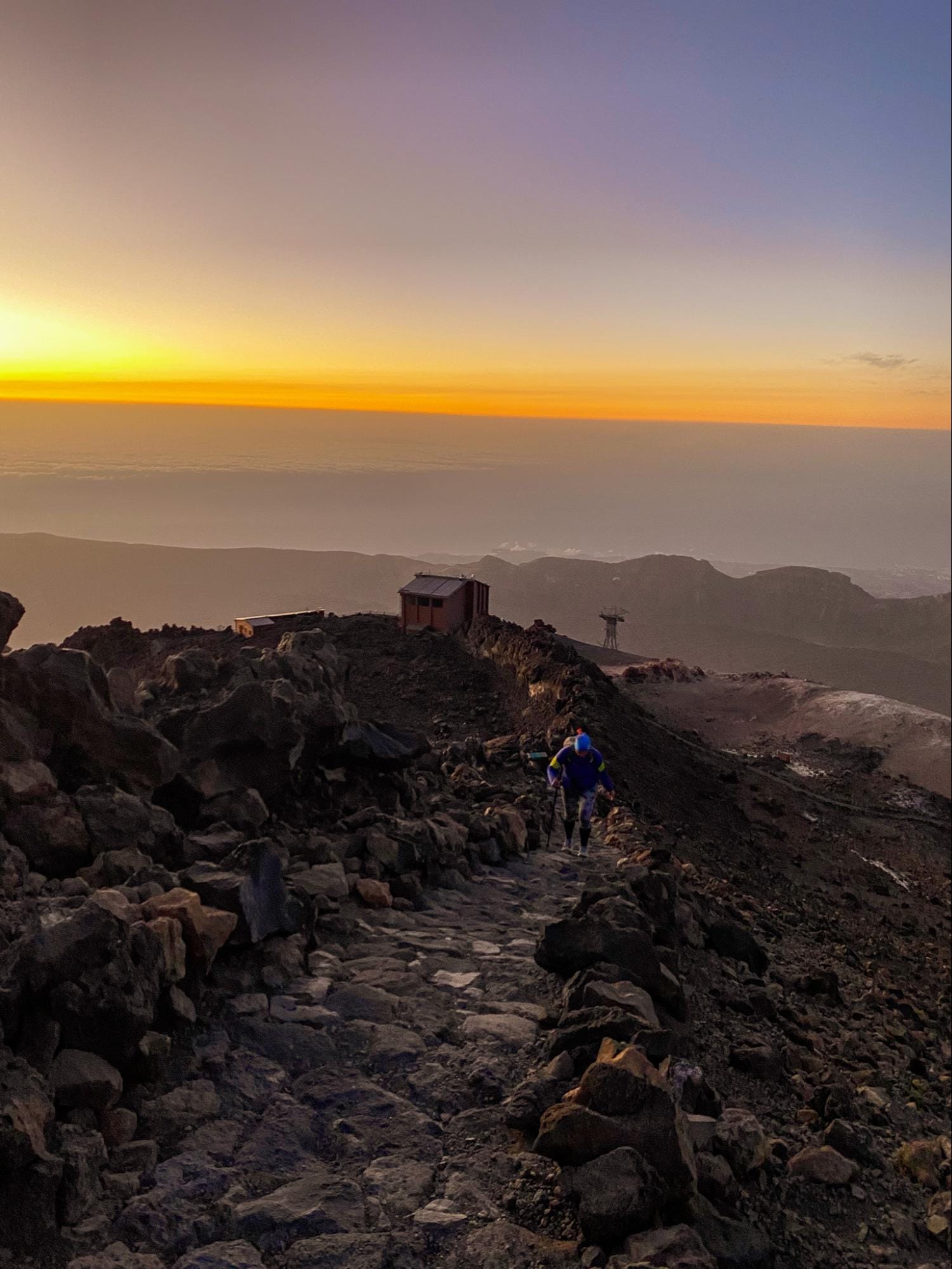
Planning your whole trip? Read our Tenerife 4-day road trip itinerary — Teide is one of the key stops.
Compare car rental prices on Discover Cars
Compare rental options for reaching Tenerife's trailheads.
Mount Teide: What You Need to Know
Tenerife’s volcano, Mount Teide, stands at 3,718 meters above sea level, but measured from the ocean floor, it's a whopping 7,500 meters. Only Hawaii's Mauna Kea and Mauna Loa are taller.
The volcano formed hundreds of thousands of years ago, but the last eruption in the Teide complex, geologically speaking, occurred relatively recently, in 1909. The volcano is now considered dormant, but at the summit, you can still smell sulfur and see steam vents.
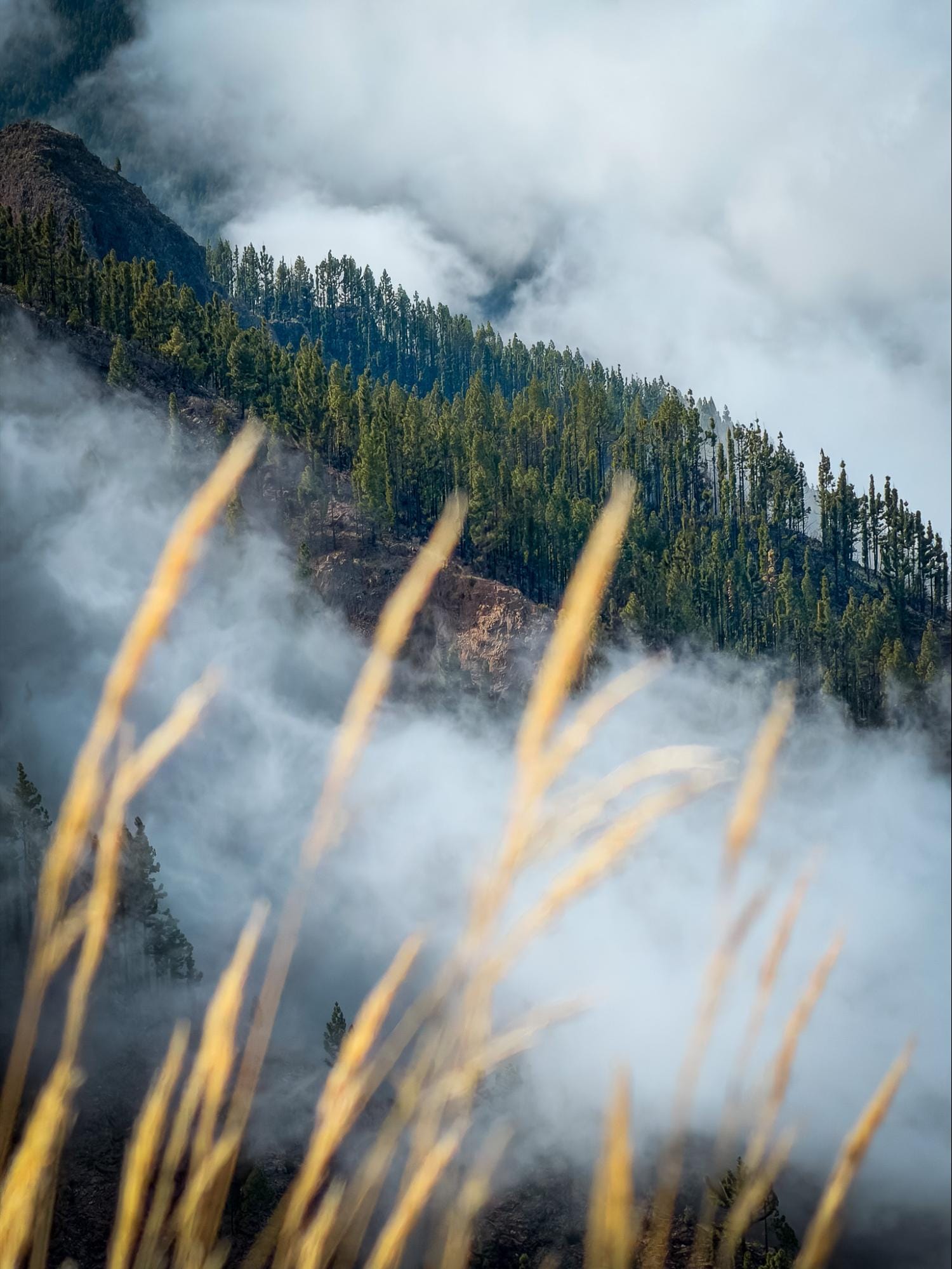
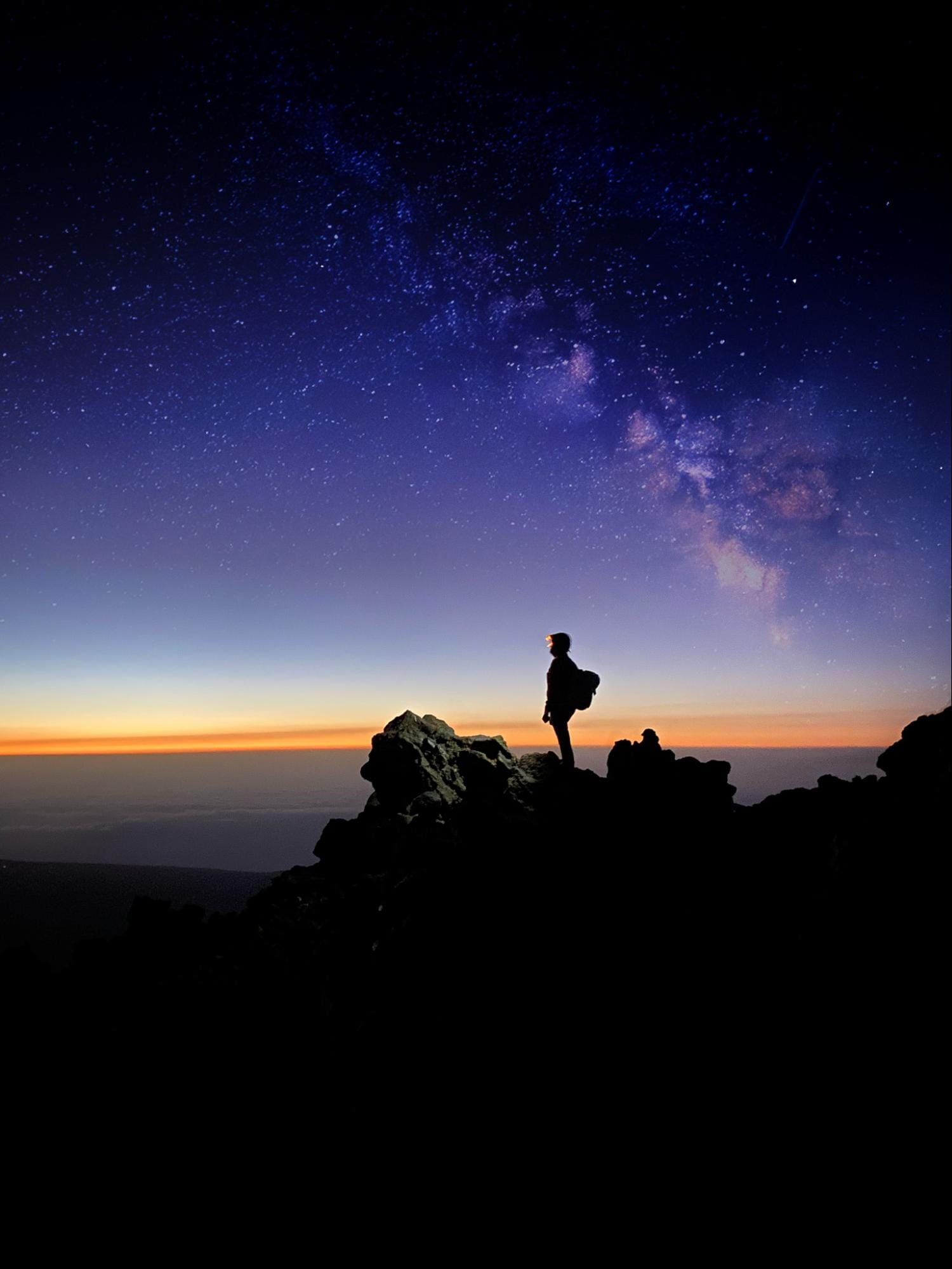
What connects Teide with astronauts?
The fact that Teide's landscapes look Martian is more than just a metaphor. The surrounding rocks are tawny red and covered in black lava fields. The soil composition is truly unique, and the conditions can be extreme. That's why NASA and its European counterpart, the ESA, regularly conduct rover tests here.
Teide National Park
Teide National Park is shaped like a giant bowl, approximately 17 km in diameter, known as the Las Cañadas Caldera. It was formed by the collapse of an even older volcano, and in 2007, the park was designated a UNESCO World Heritage Site. Despite the harsh climate, life thrives here. Its symbol is the Teide Bugloss, a unique plant that blooms every two years, producing a candle-like flower spike up to three meters long. Its shape has also earned it the nickname "Tower of Jewels."
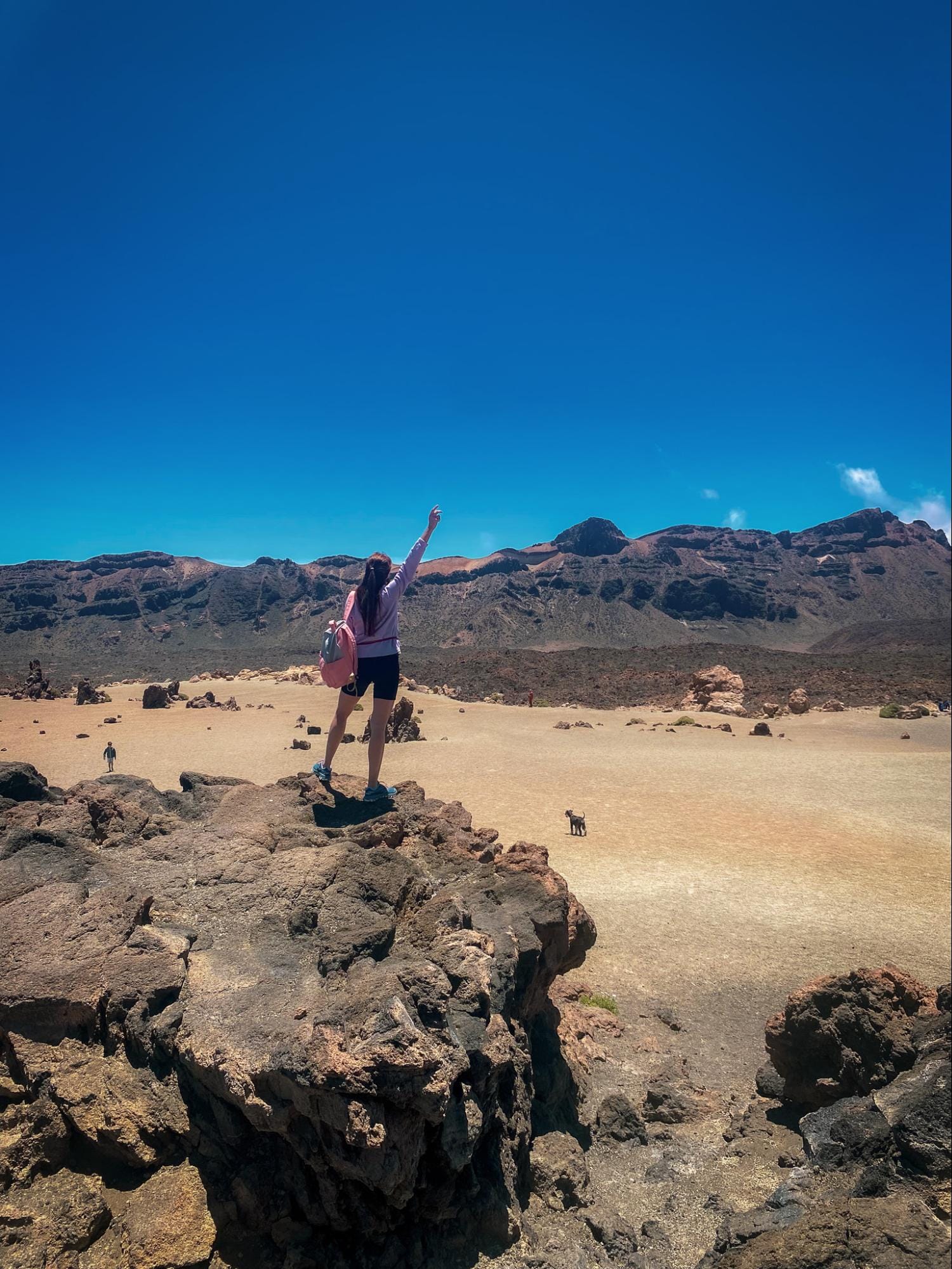
Exploring Teide National Park
The park can be roughly divided into five areas:
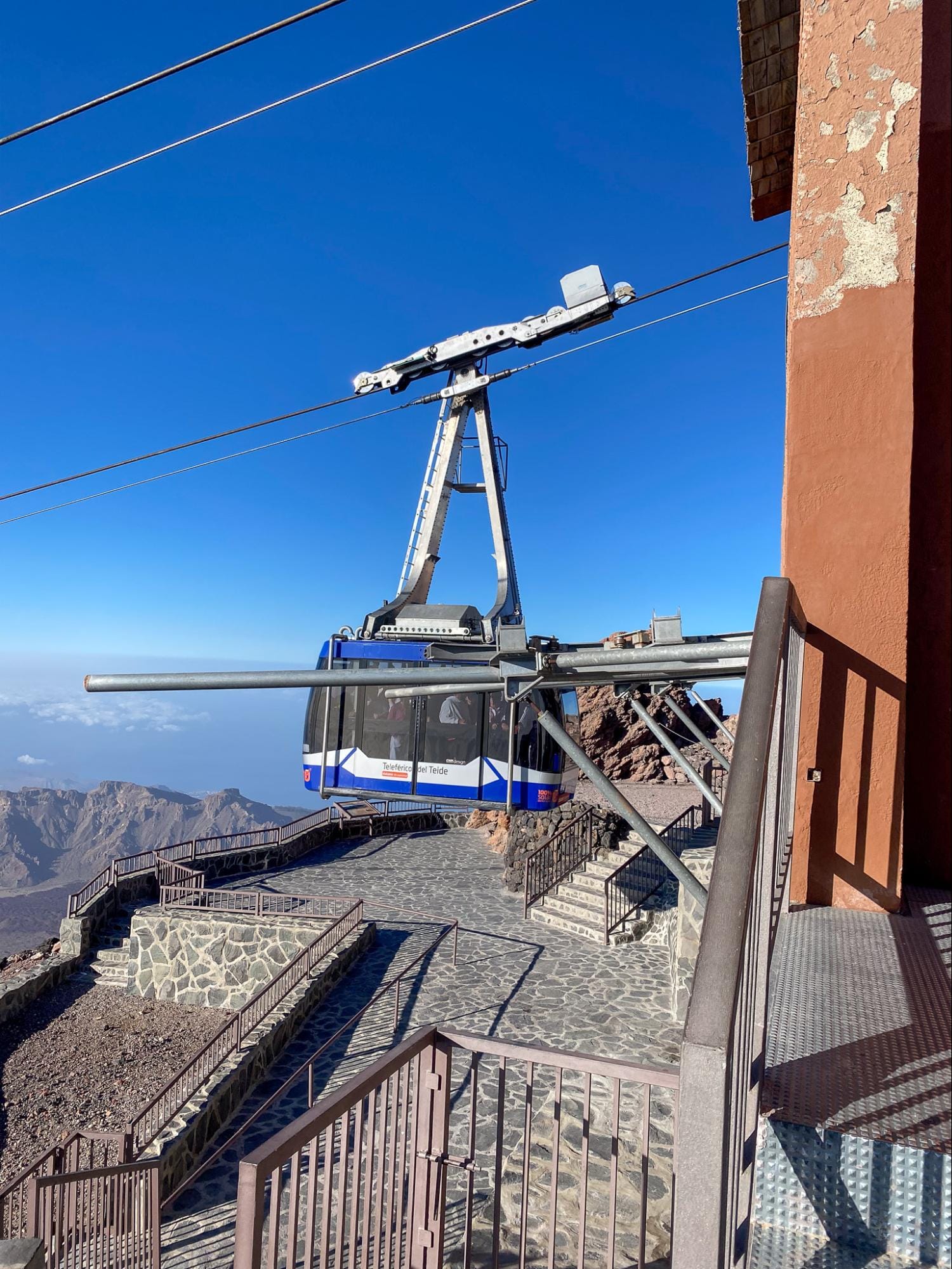
- Teide Peak and Cable Car (Teleférico). This is the central area of the park and its highest point. The cable car takes you up to 3,555 meters.
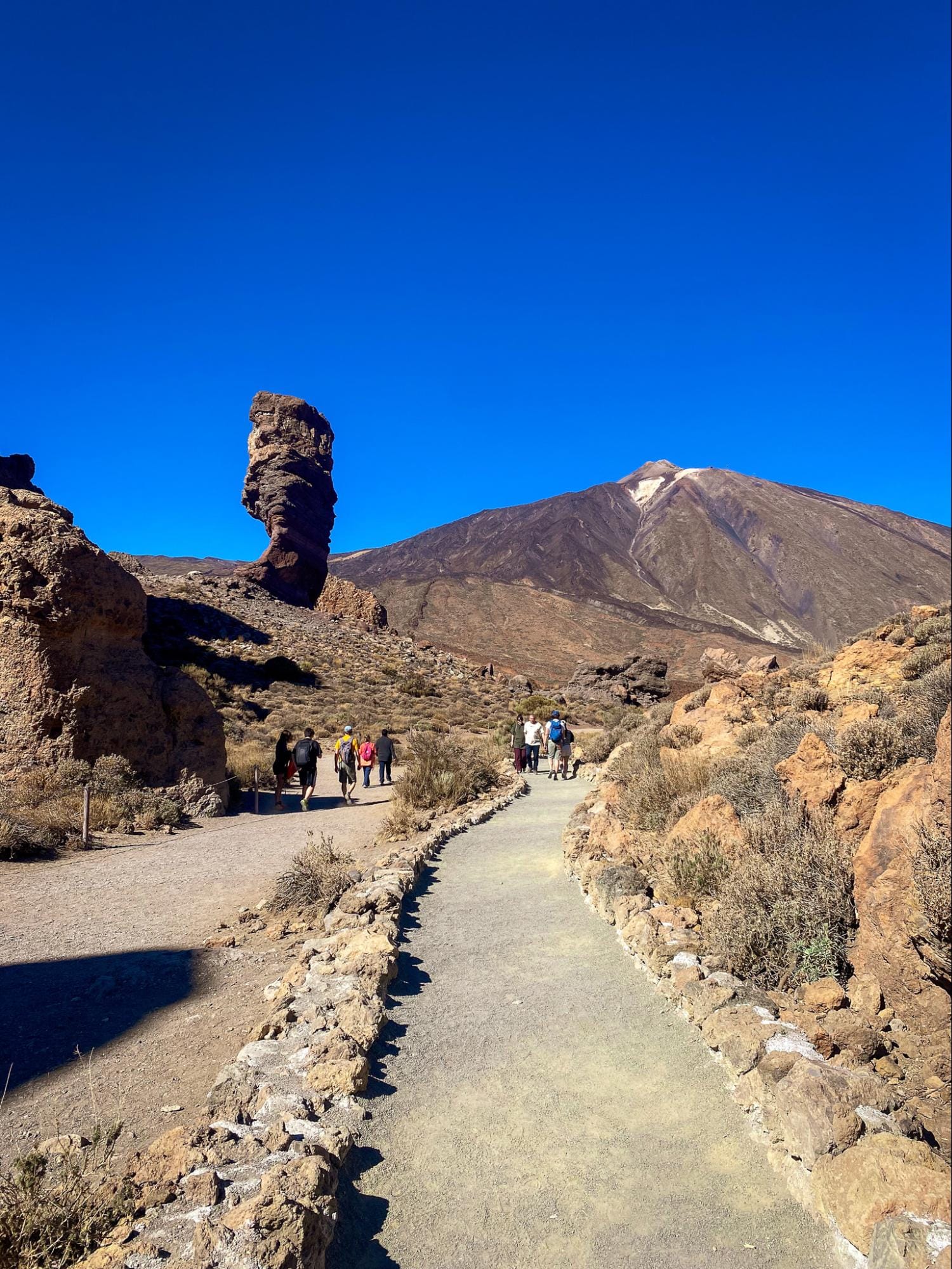
- Roques de García. One of the most recognizable sites in the park, home to the famous Roque Cinchado (also known as the "Finger of God").
- Valle de Ucanca. A vast plain that resembles the surface of Mars and offers the most photogenic views of solidified lava rivers.
- Minas de San José. This area offers a unique landscape with light-colored sand barren plains. It was a filming location for the Clash of the Titans and Wrath of the Titans.
- Teide Observatory and Izaña. On the eastern border of the park, you can find the futuristic white domes of the astronomical observatory. It's one of the best places in the world to observe the stars.
The park itself is large and attracts travelers with its numerous hiking trails. Each area of the park has something to offer even the most adventurous tourists.
Top 6 Must-See Teide Viewpoints (Miradors)
1. Mirador de Chipeque
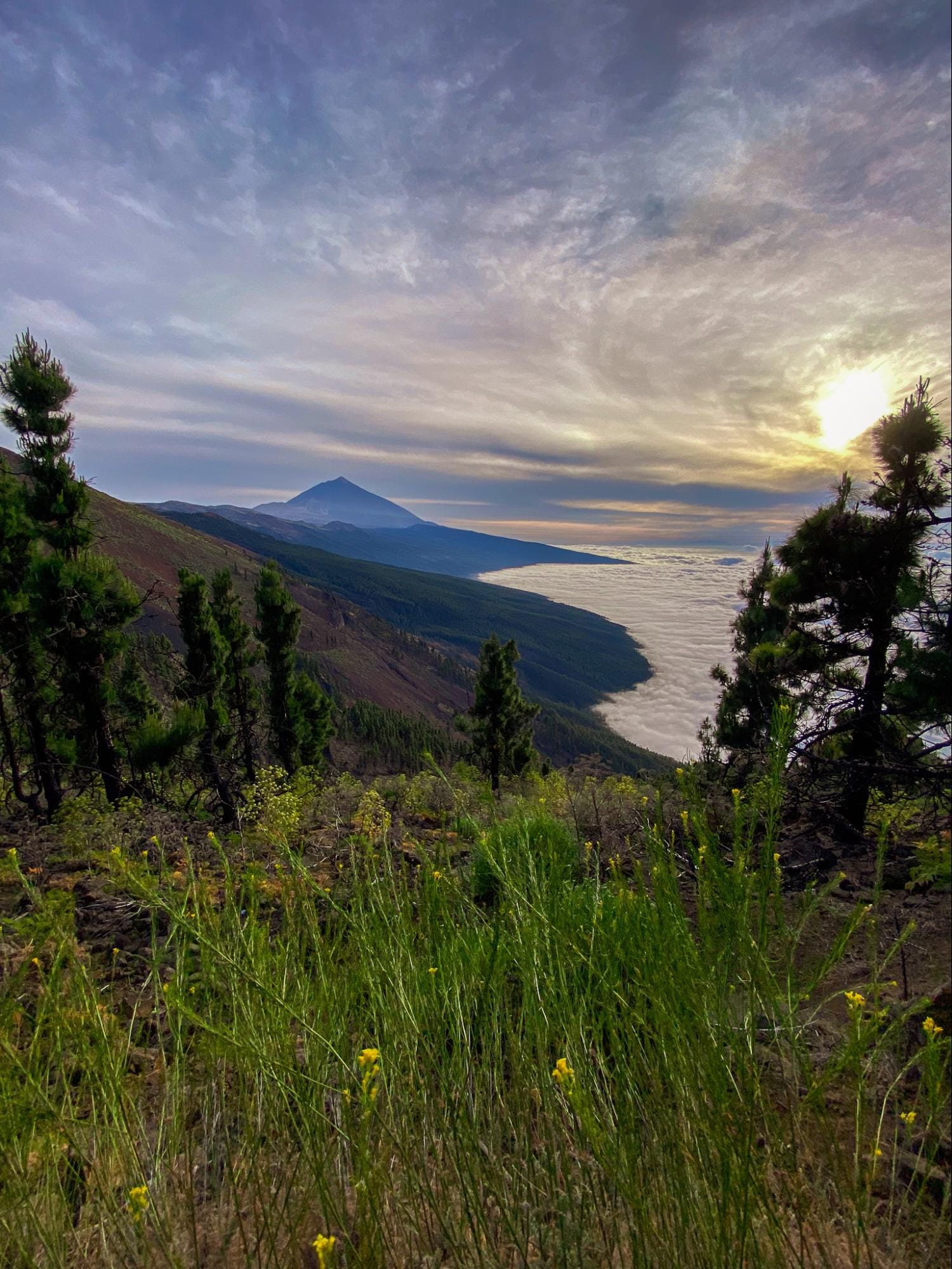
Want to see Teide as if it were on a postcard? You must visit the Mirador de Chipeque. On a clear day, you can see the entire La Orotava Valley from here, and at sunset, the view becomes even more spectacular as the volcano turns golden. And don't miss the "sea of clouds" that can be caught from this spot.
For a full guide to the island's best panoramas, check out our 25 best viewpoints in Tenerife.
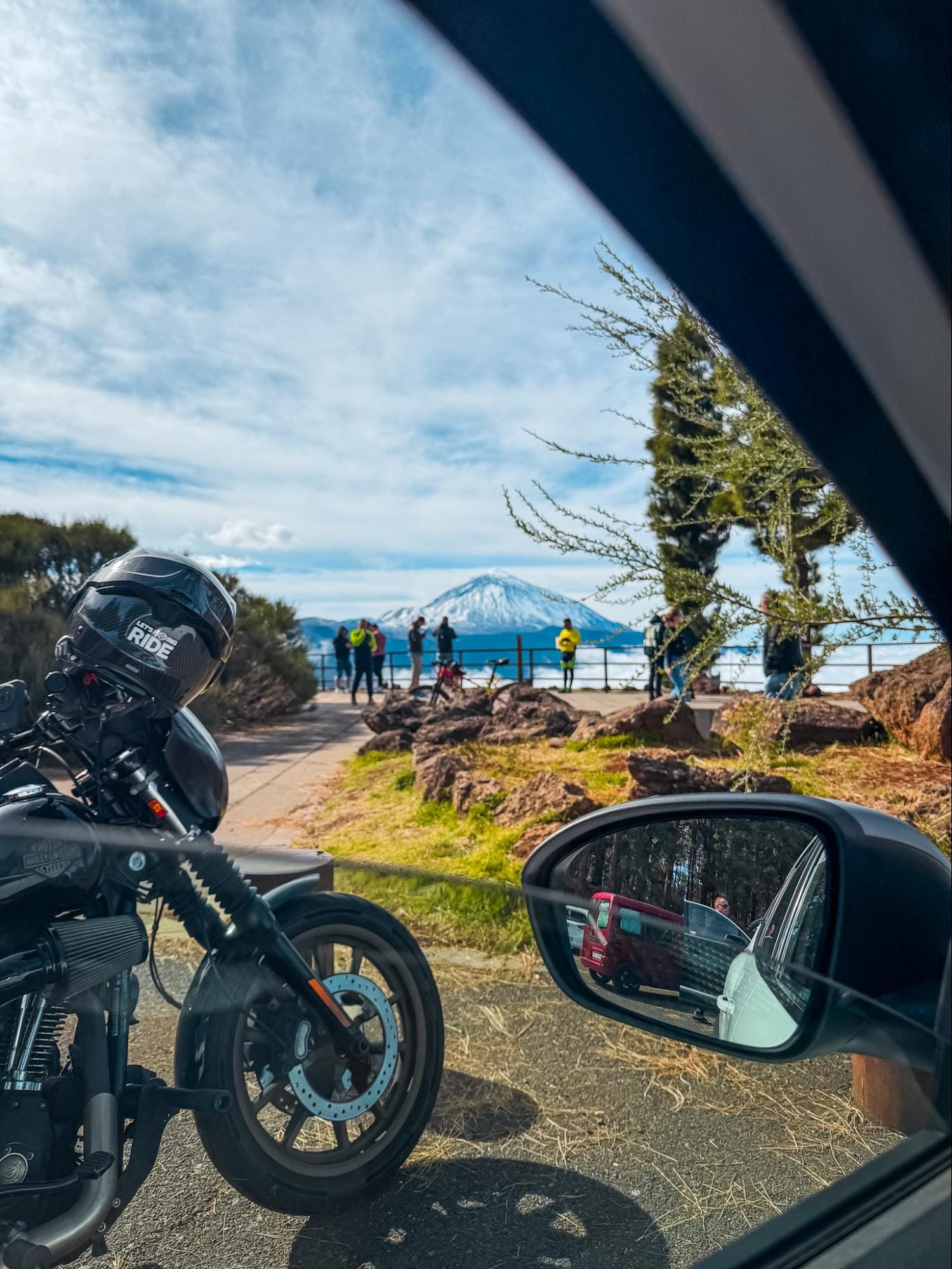
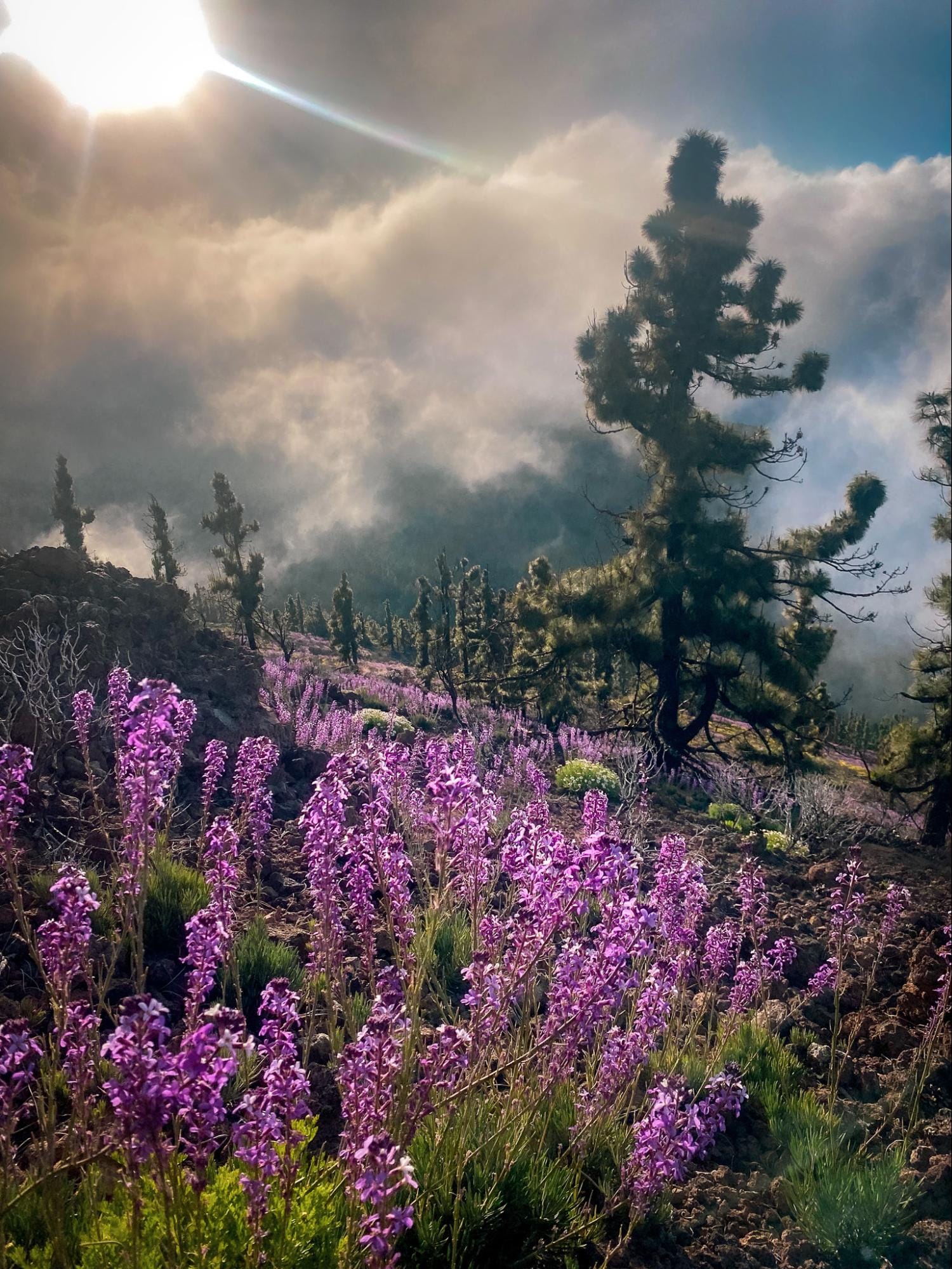
2. Mirador de el Alto de Guamaso
This is one of the easiest and most pleasant hiking trails, located right on the TF-24 road. You can walk along a circular trail that loops around an ancient volcano. The path is located where the pine forest meets the lava fields. From the Mirador de el Alto de Guamaso, you can also see the northern coast of the island.
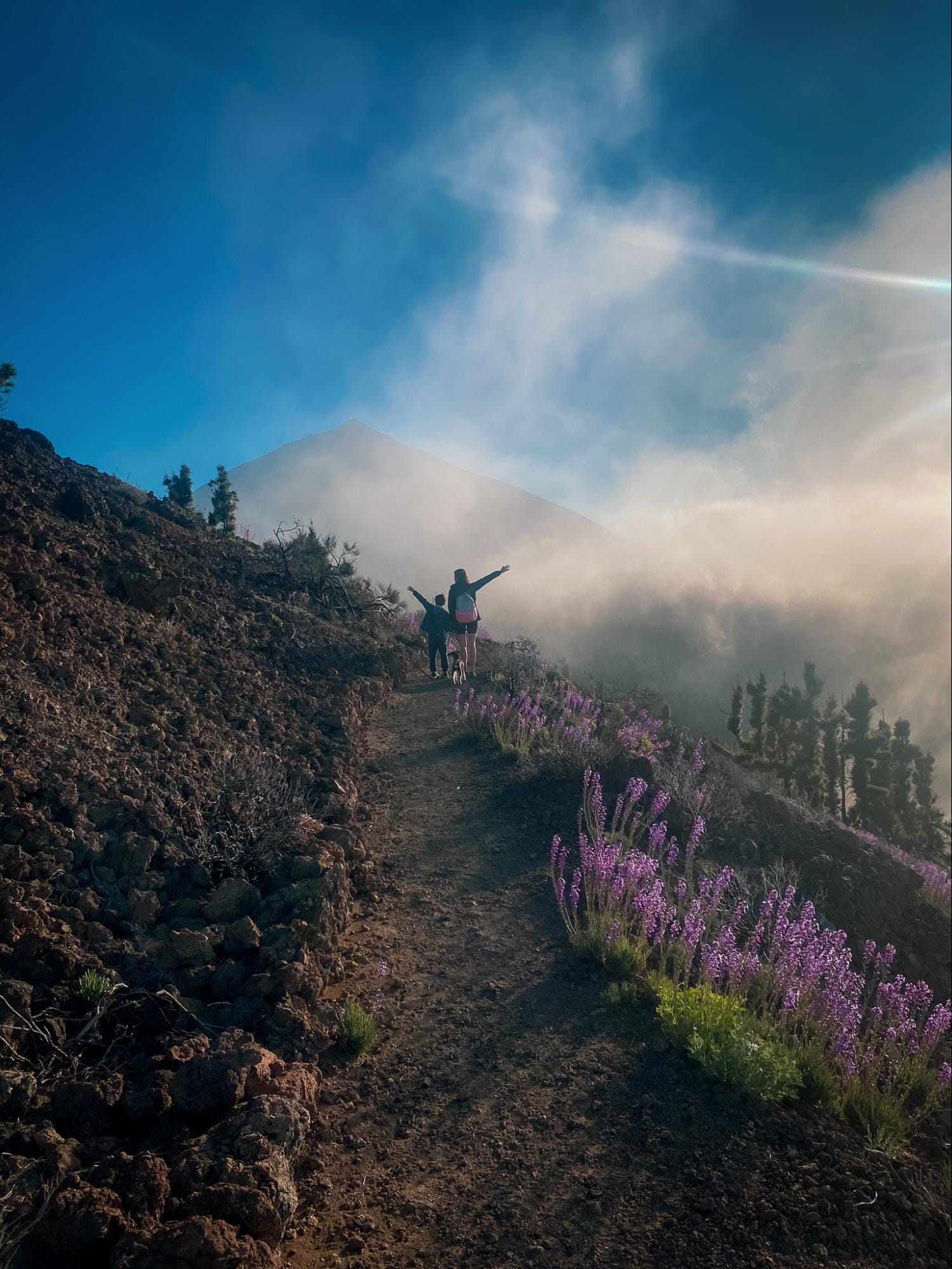
3. Minas de San José
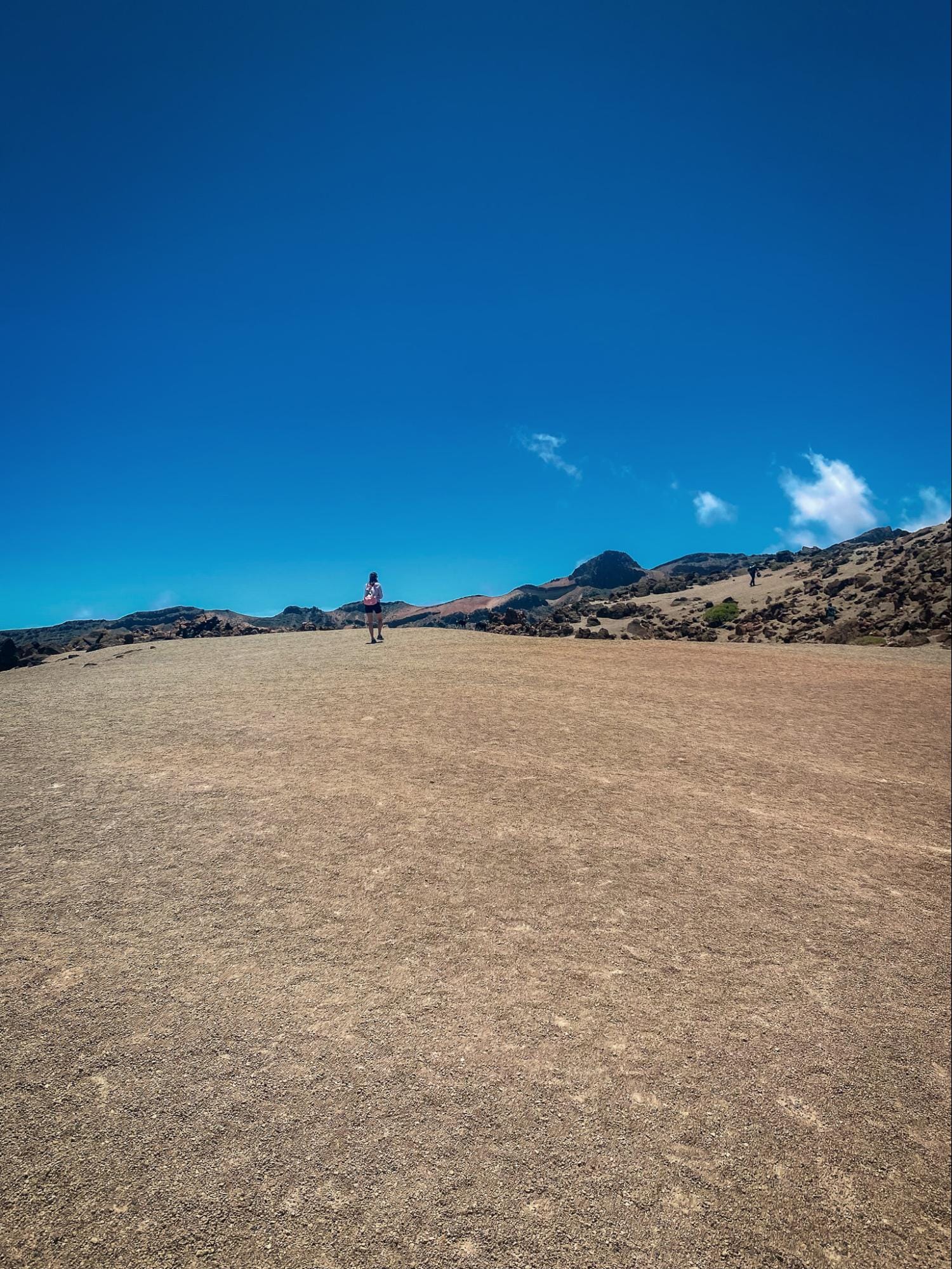
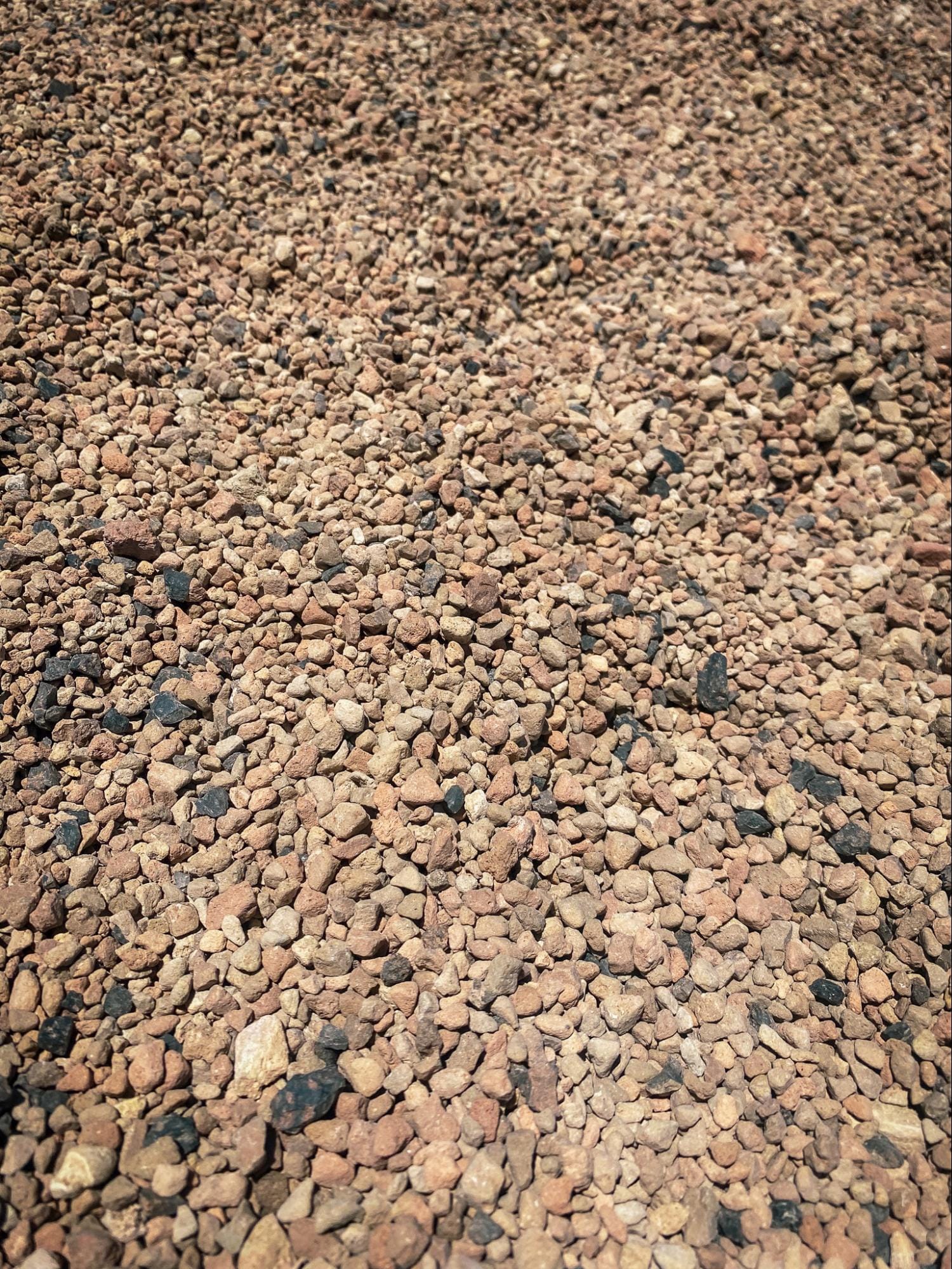
And again, Minas de San José is one of the favorite filming locations for Hollywood blockbusters. This is because the landscape here truly resembles the surface of another planet. All around, you'll see endless fields of gravel and pumice that you can walk through. The best part is that all of this is just a few meters from the parking lot.
4. Mirador de La Ruleta
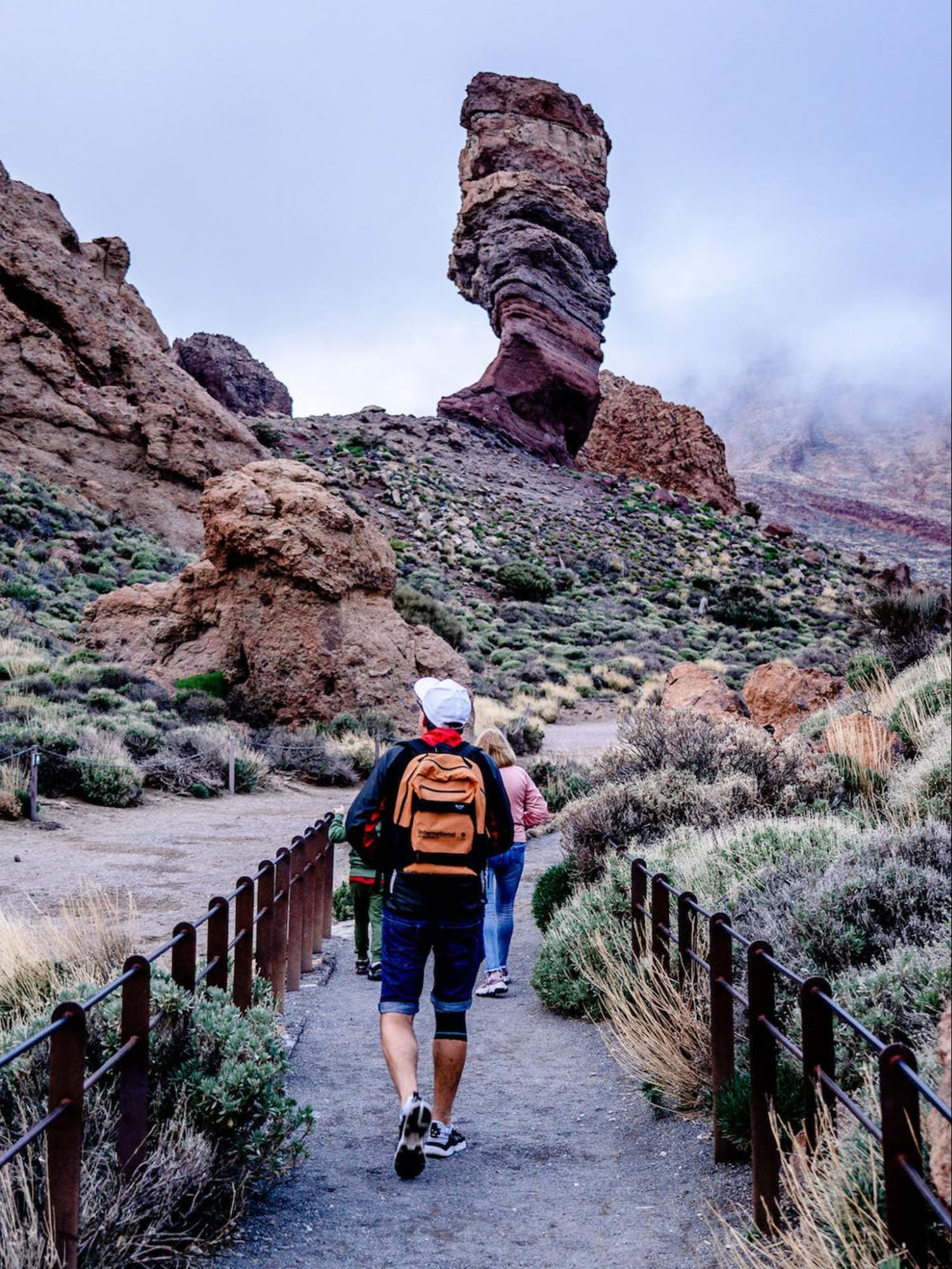
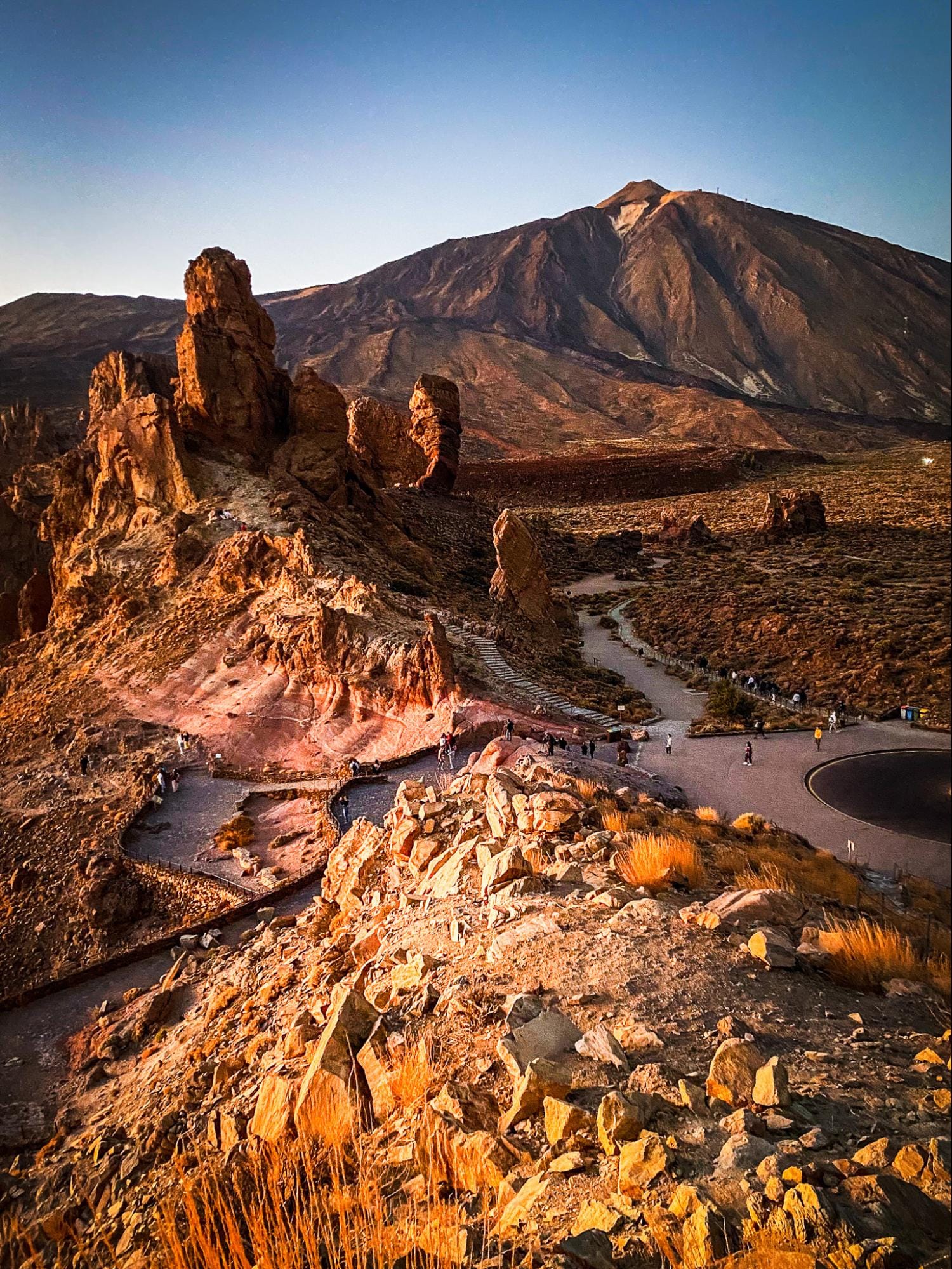
Mirador de La Ruleta is located directly opposite the Roques de García cliffs. It offers the best views of the "Finger of God" and the Teide peak itself. The Ucanca Valley, which forms the floor of an ancient caldera, is also visible from here and looks exactly like a frozen lake of yellow clay.
5. Mirador de las Narices del Teide
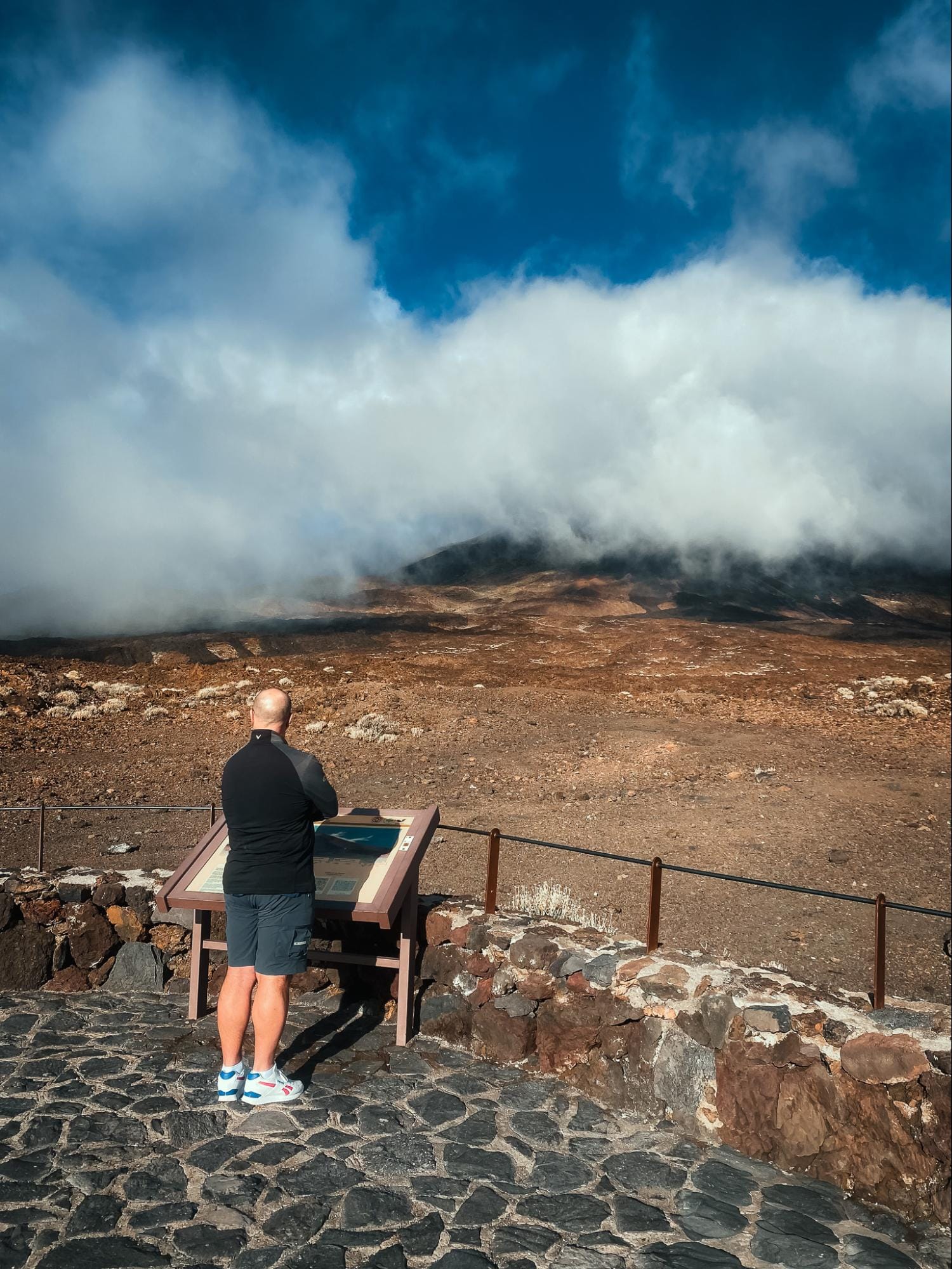
In 1798, lava erupted through craters on this slope, which you can see from Mirador de las Narices del Teide. This was the longest volcanic eruption in the park's history. The lava then hardened and now creates a sharp contrast with the red slopes of Pico Viejo volcano. It also offers a magnificent panorama of the neighboring islands.
6. Mirador de los Poleos
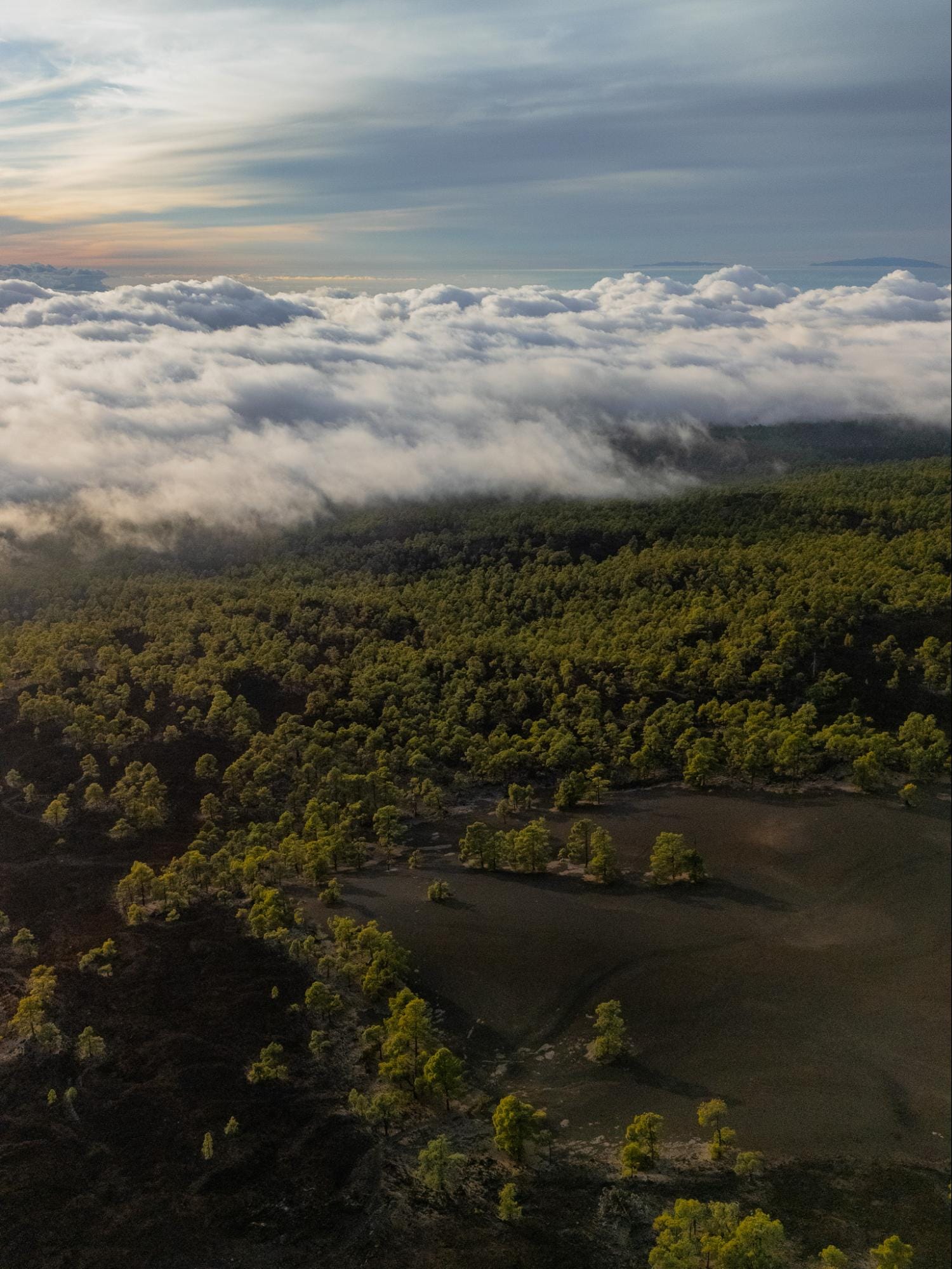
Visiting Mirador de los Poleos is easy because it's located right on the TF-38 highway. The main attraction is the view of vibrant green Canarian pines growing amidst the black lava. This view is the result of the 1909 Chinyero eruption.
Cable Car: Teleferico Del Teide
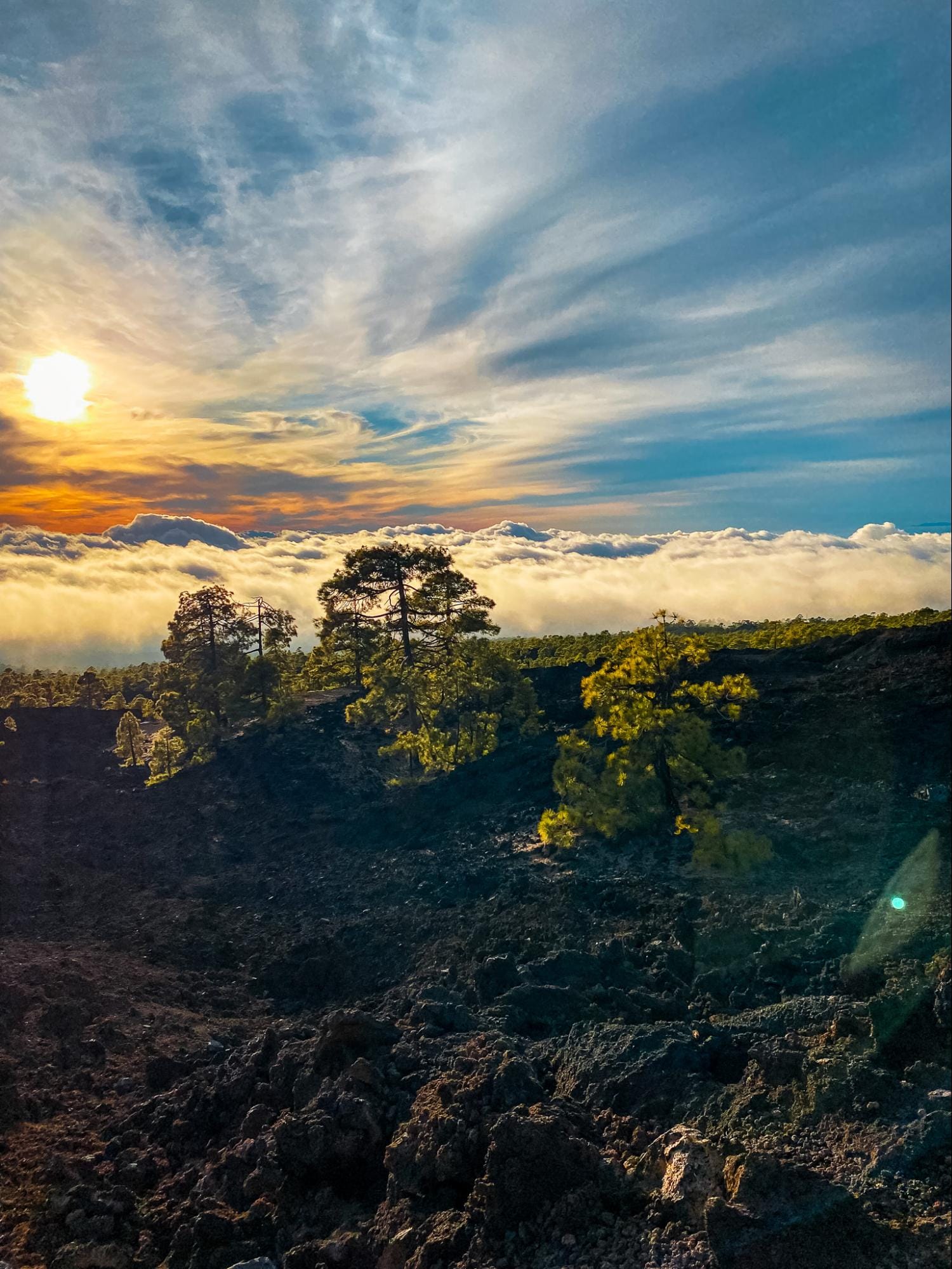
The Teleferico del Teide cable car is undoubtedly the heart and most famous attraction in Teide National Park. It's also the fastest and most comfortable way to reach the volcano's summit. The lower station, located at an altitude of 2,356 meters, can be reached by car or by buses #342 and #348. An 8-minute ride takes you to the upper station of La Rambleta (3,555 meters).
The upper station is not the very top of the volcano. Reaching the actual summit is only possible with a free but mandatory permit, which must be booked several months in advance.
Teide Cable Car Tickets
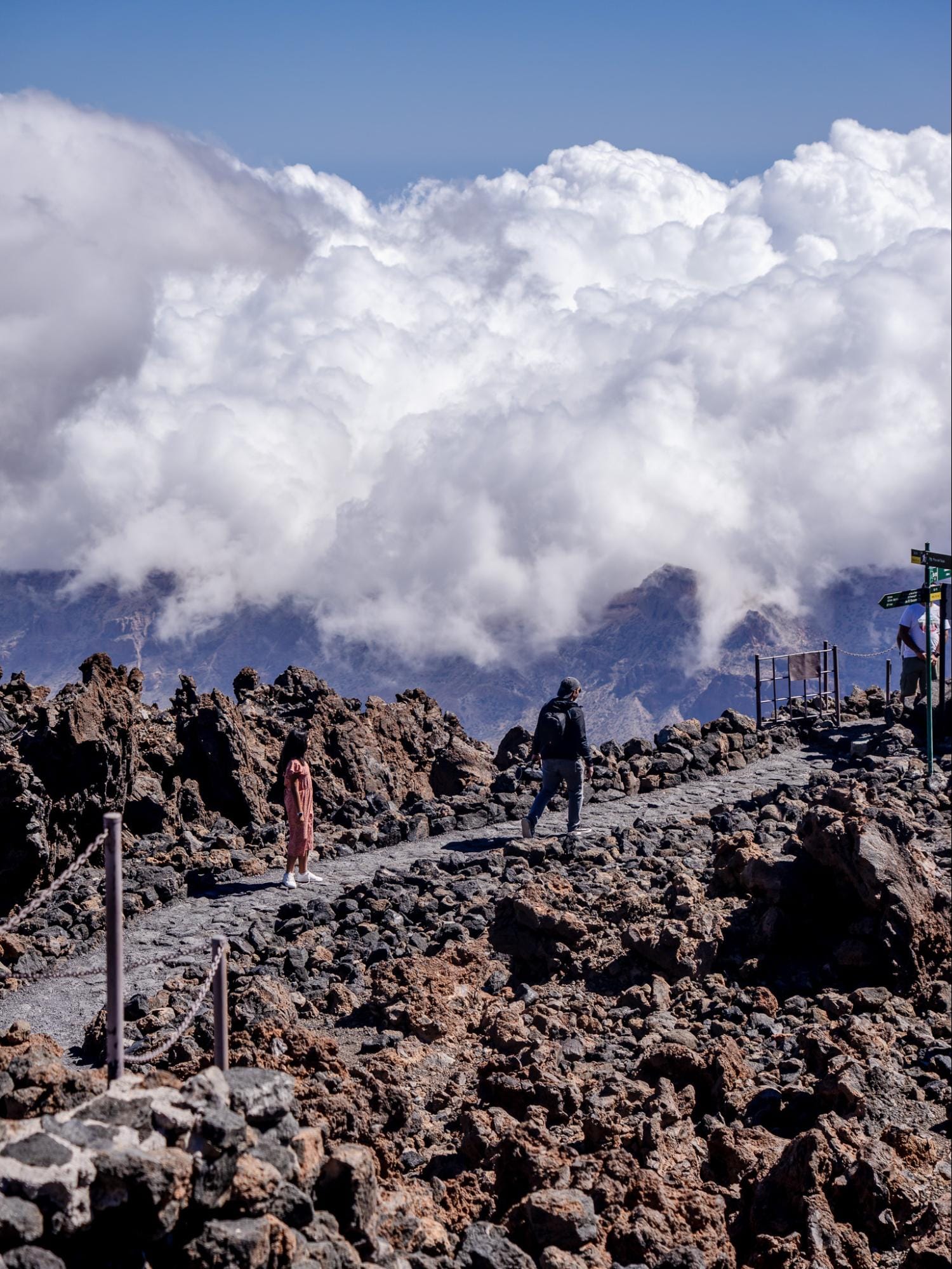
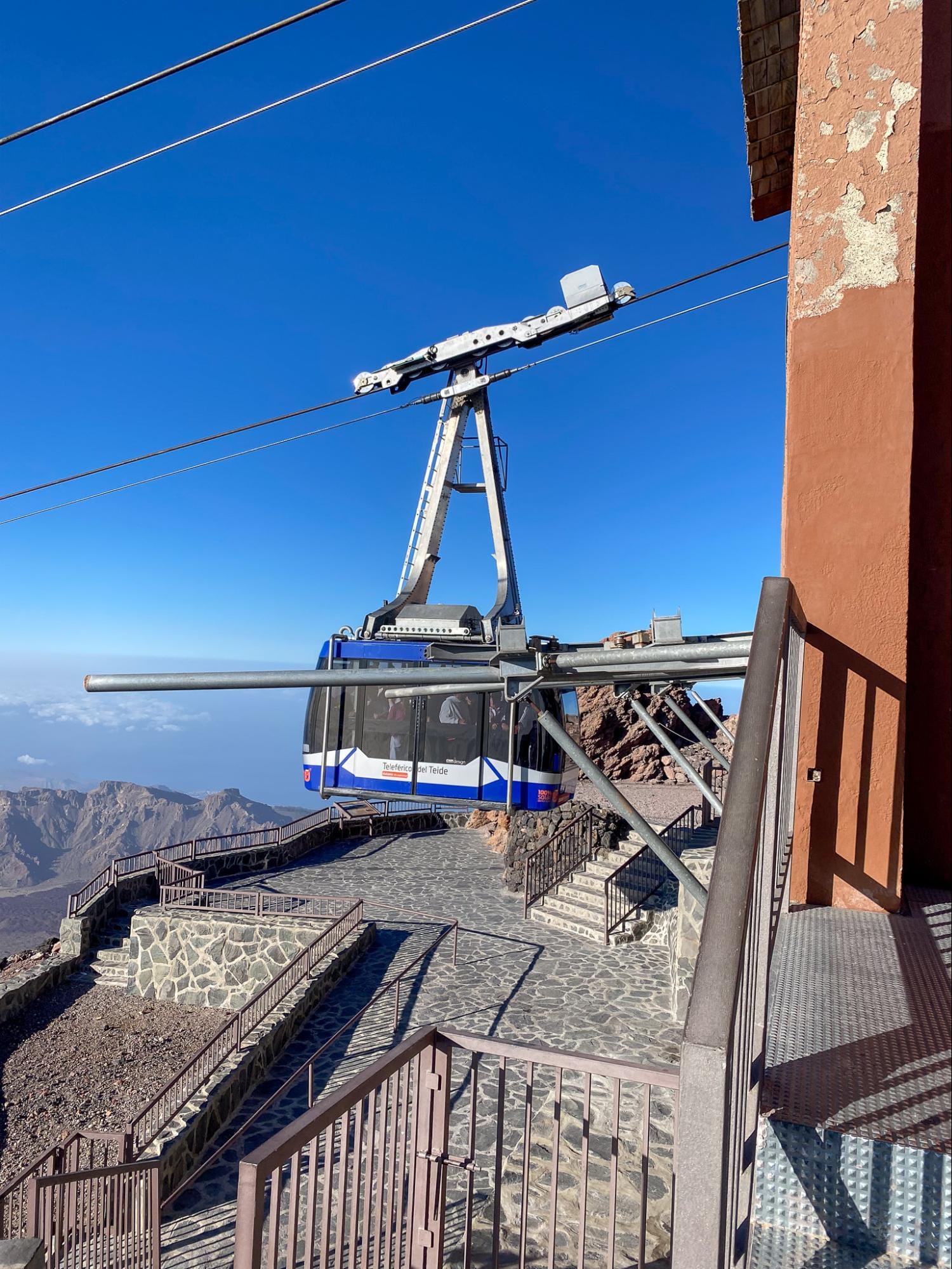
In 2026, cable car tickets cost approximately €42 (roundtrip) for adult non-residents and €21 for children. They can be purchased on the official Volcano Teide website. During peak season, tickets sell out weeks in advance, so plan your visit ahead.
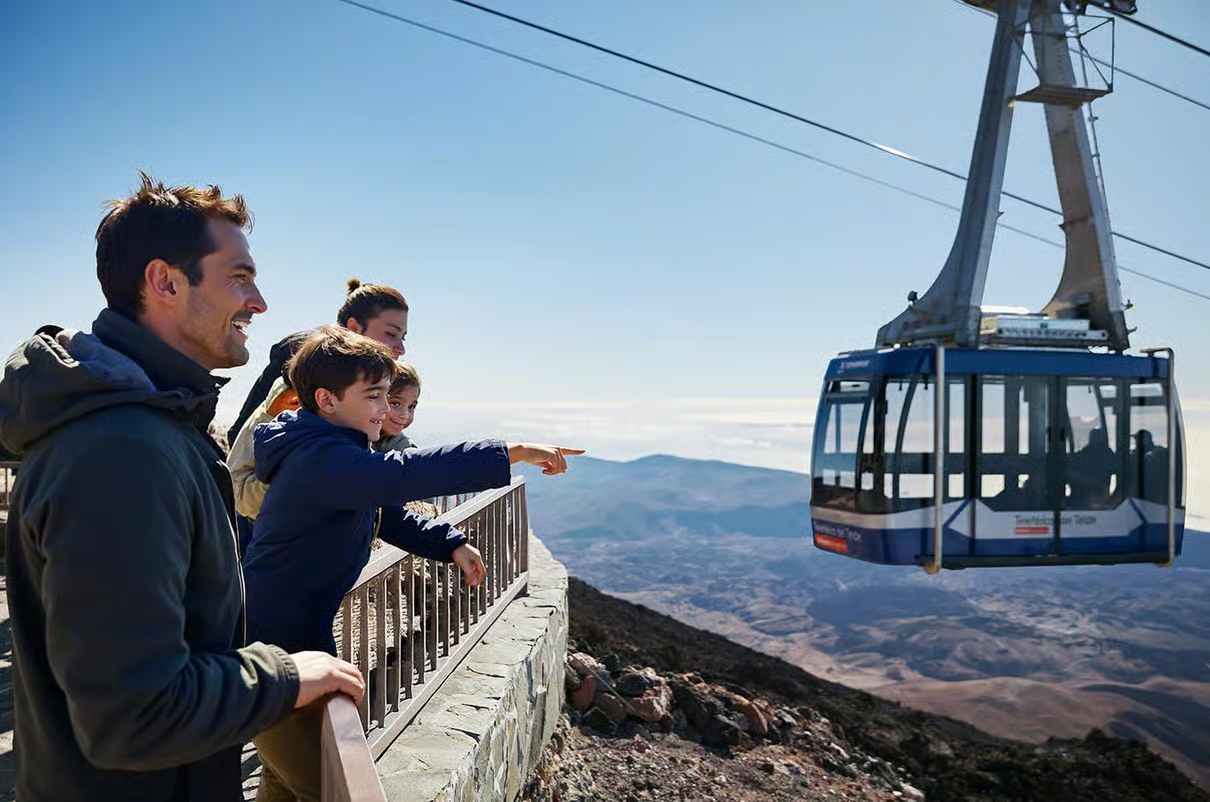
Mount Teide Cable Car Return Ticket with Pick-up. Skip the risk of sold-out tickets and book your cable car ride in advance. Includes hotel pick-up, so there's no need to plan your own transport.
What to See at the Top
Even if you don't have a permit to visit the crater, two iconic viewpoints are accessible from La Rambleta. You'll have about an hour at the top to leisurely explore the La Fortaleza and Mirador del Teide viewpoints.
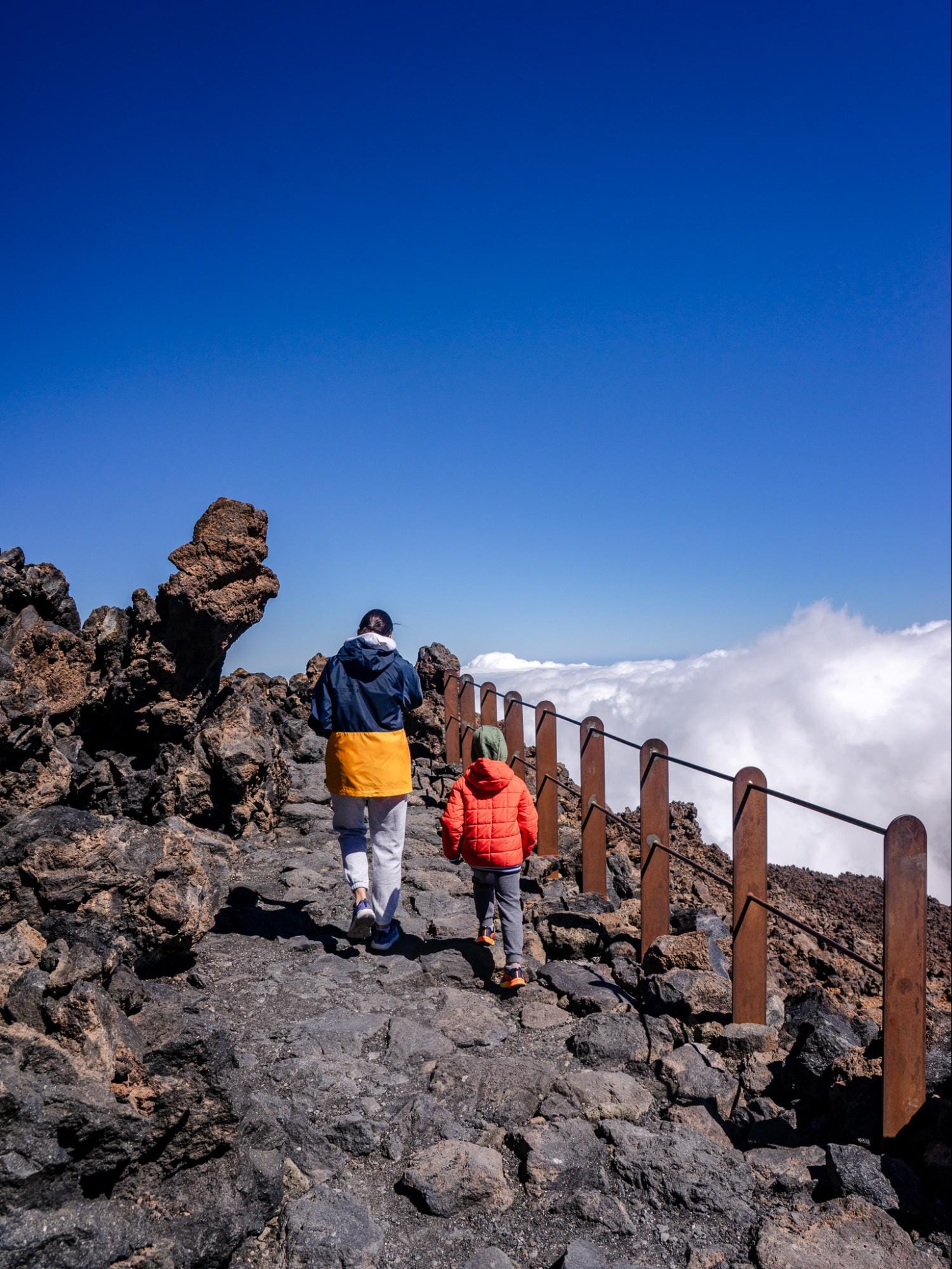
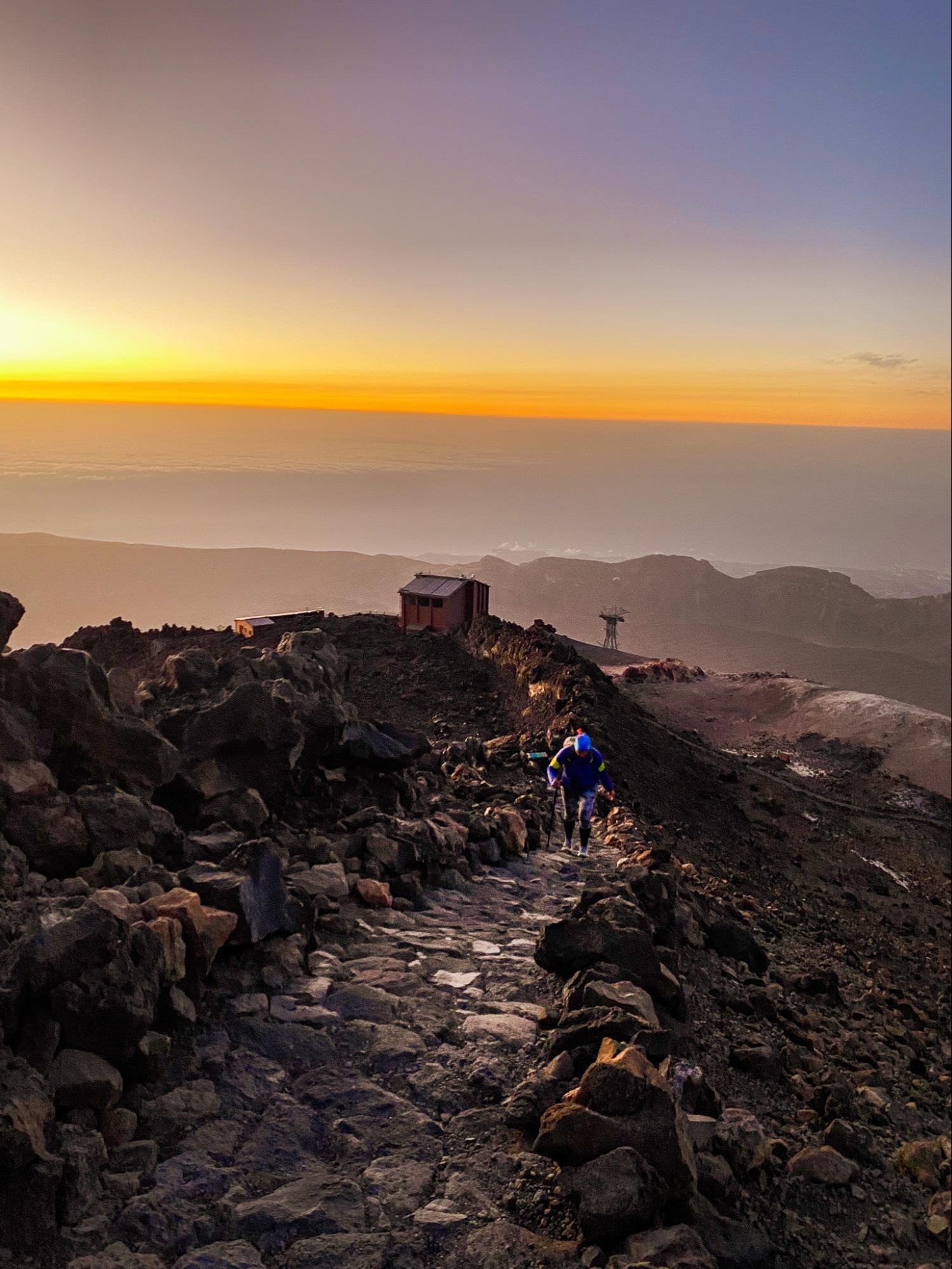
Note: At an altitude of 3.5 km, the air is very thin. Furthermore, strong winds are common here, and the cable car may be closed. Also, wear sneakers or hiking boots with good traction and check the cable car status on the Teide Today page.
Easy and Scenic Hiking Routes
Teide is stunning not only from the summit, and there are simple yet scenic routes that few people know about. You can miss a lot of beauty from the cable car window, so we'll tell you about a couple of them.
Easy Route: Roques de García
Perhaps the most popular and photogenic is the loop around Roques de García. Along the way, you'll see the famous vertical cliffs and the "Finger of God". You'll also see the beautiful cliff above the Ucanca Valley, making the entire route truly breathtaking.
Medium Route: Montaña Blanca
The Montaña Blanca route runs through pumice fields with obsidian boulders. The landscape resembles a desert. You can walk along a wide path, but because of the high altitude and the blazing sun, it requires more stamina.
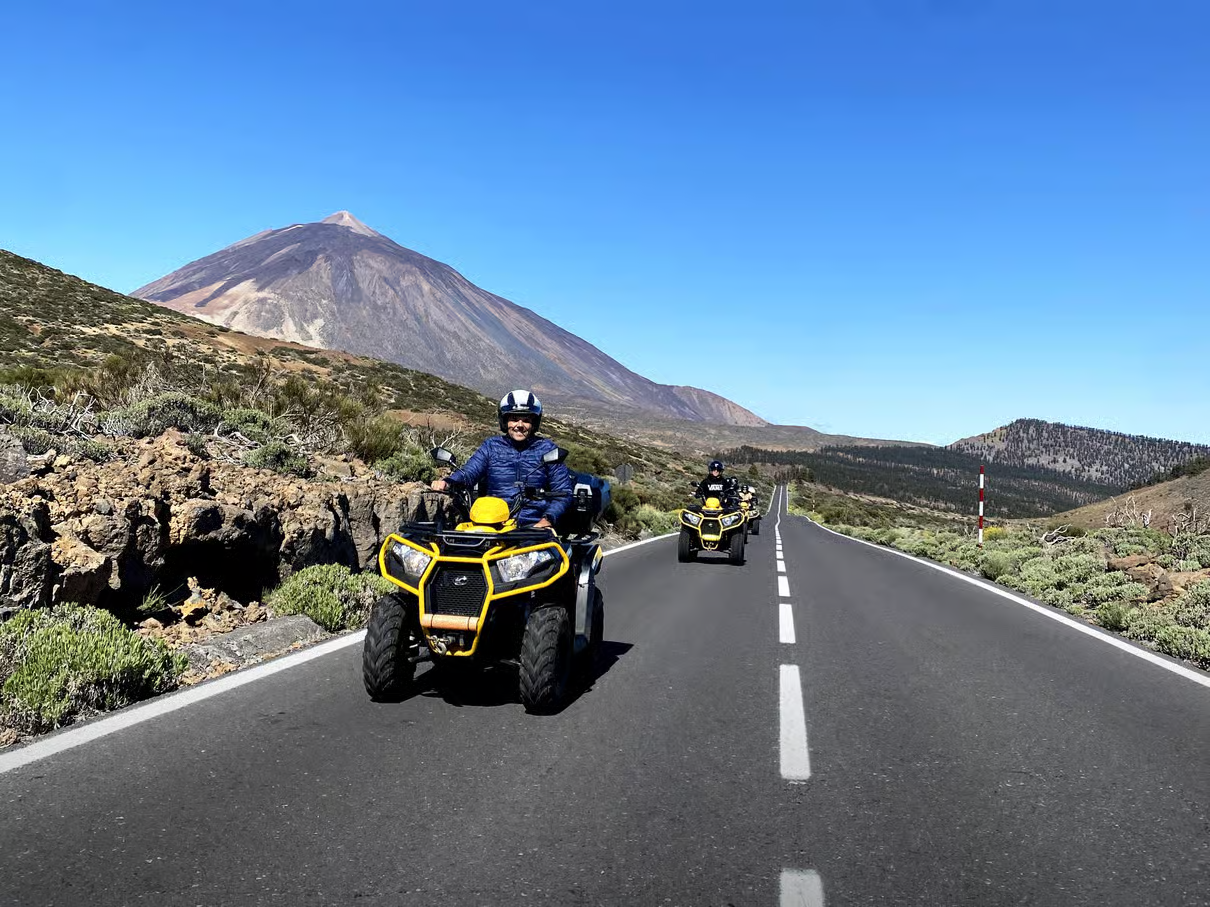
Puerto de la Cruz Quad Tour to Teide or Off-Road Valley. Prefer not to hike? Explore Teide's volcanic valleys by quad bike instead, with routes suited to different fitness levels.
In total, there are about 30 routes around Teide. Often, the volcano looks even more impressive from below than from the summit, so conquering the peak isn't necessary to appreciate the park's beauty.
Ascent to Pico del Teide
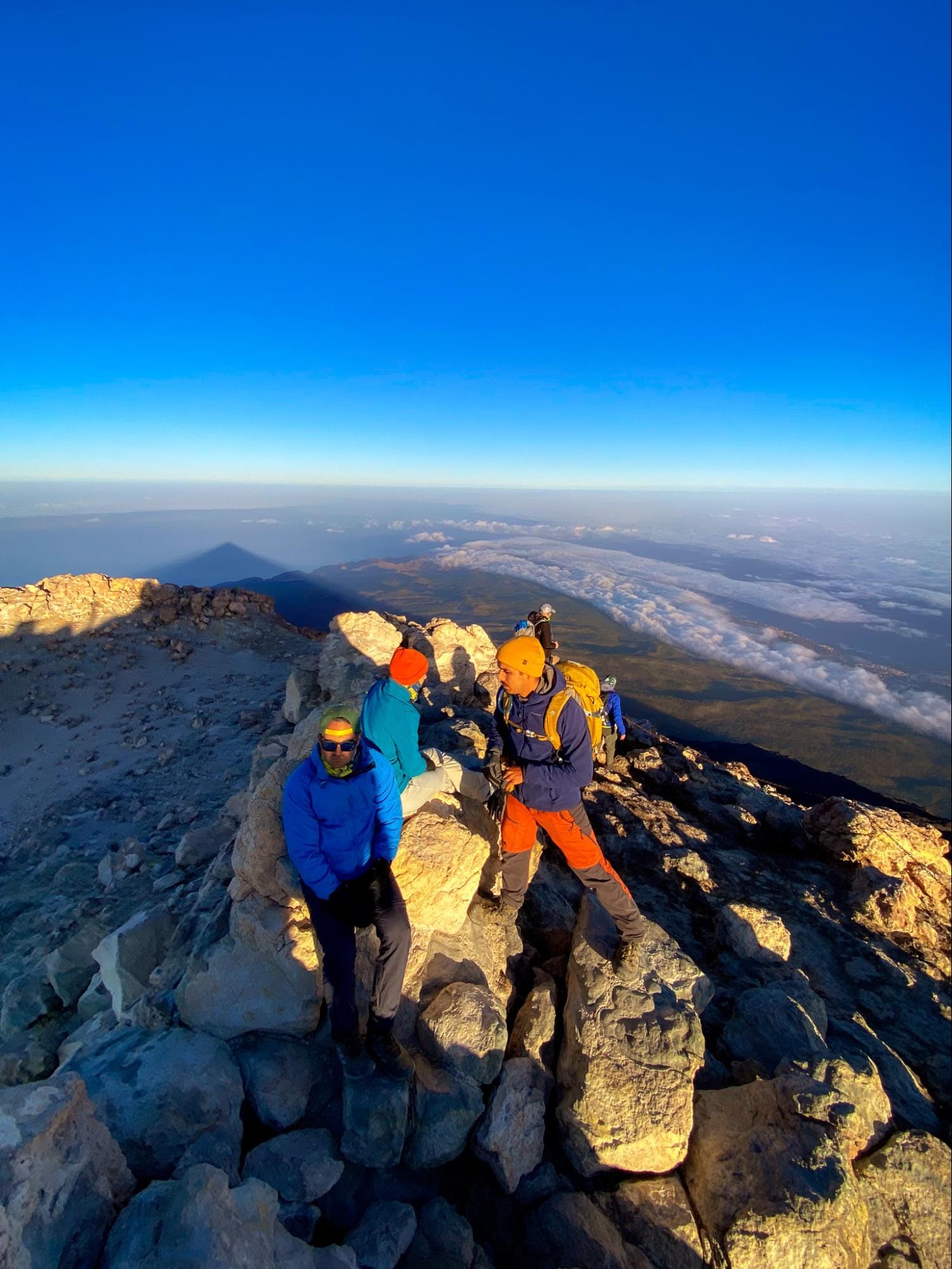
To hike the last 160 meters from the La Rambleta station to the summit, you must obtain a permit.
The Telesforo Bravo trail leading to the summit is very narrow. To prevent erosion and overcrowding, authorities have limited access to 200 people per day. A ranger is stationed at the entrance to check your ID and reservation. Without these documents and a permit, you simply will not be allowed onto the trail.
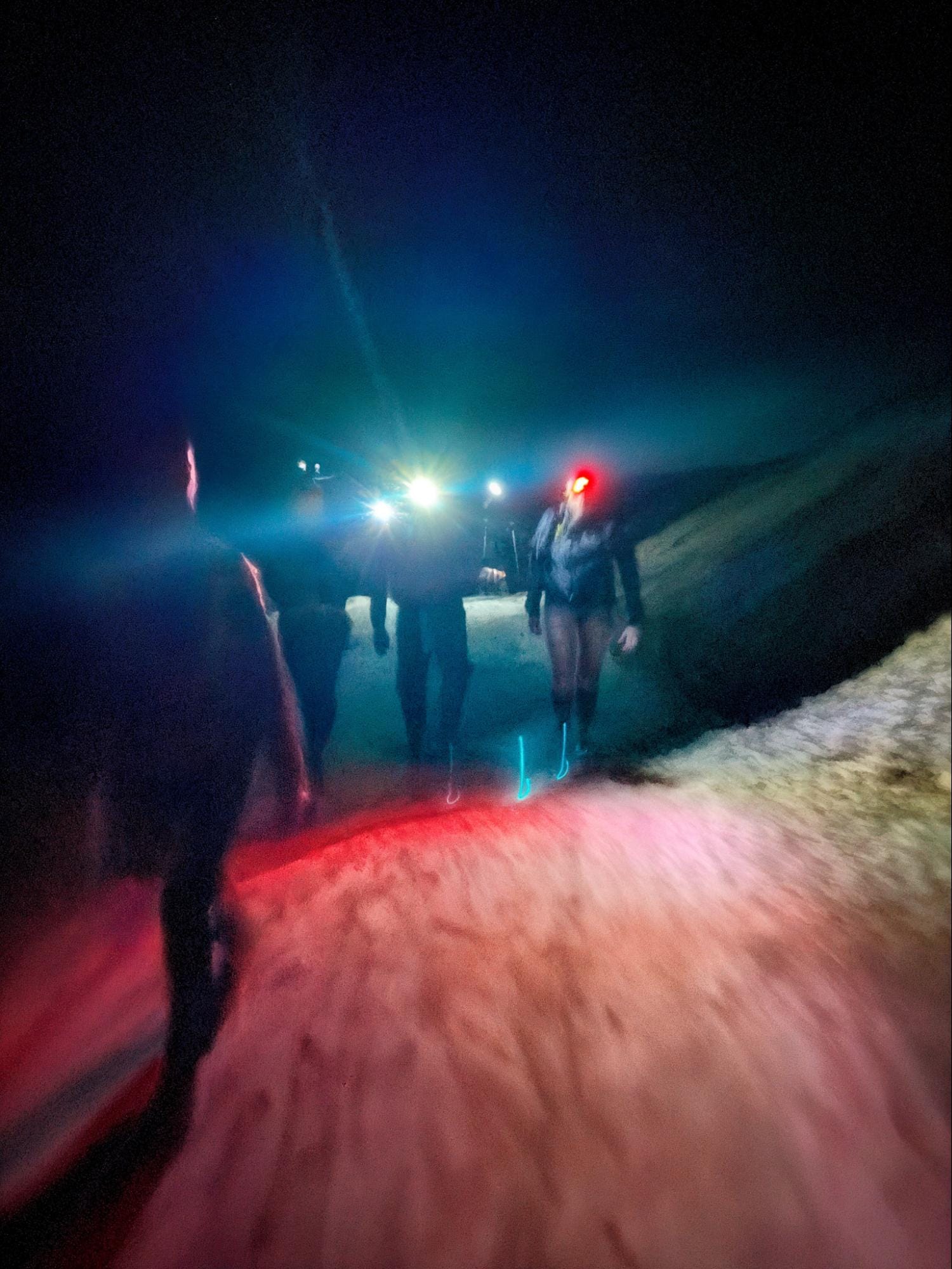
How do I get a permit?
To obtain a permit, go to the website reservasparquesnacionales.es, enter your first and last name, and your passport number. The main challenge is the high demand. Permits can be booked months in advance, so this is the first thing you should do when planning your trip.
Important: Even with a permit in hand, the climb may be closed due to ice or strong winds.
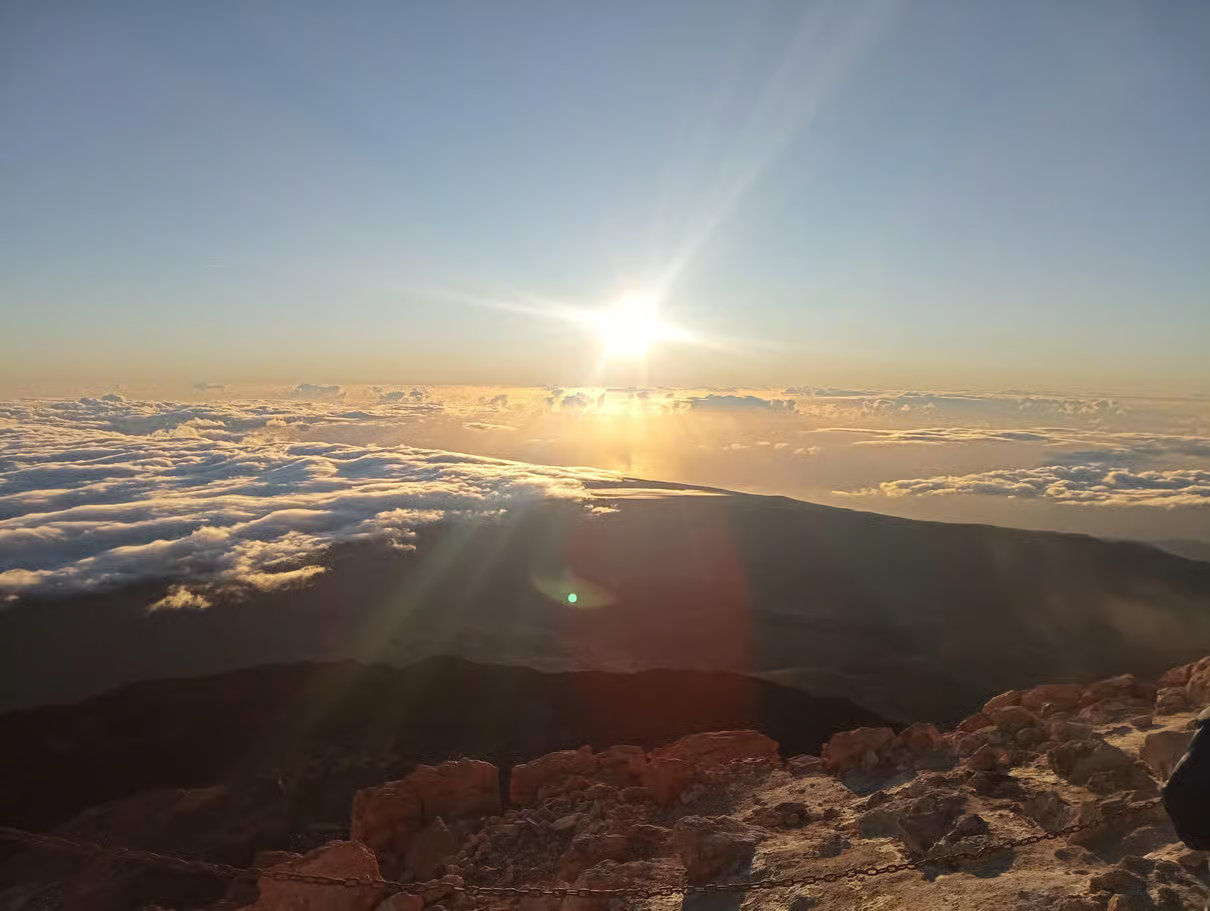
Tenerife: Guided Hike to the Peak of Mount Teide. Skip the hassle of securing a permit yourself — your guide handles the paperwork and the climb. Reach the summit of Spain's highest peak with an expert.
Teide Weather: A Life of Its Own
Don't leave your hotel in shorts and expect it to be 25°C at the top. In summer, temperatures at the base of the mountain, in the caldera, typically reach 35°C with very dry air. But as you get closer to the summit, even on a hot day, it usually drops to 10°C or 15°C (50°F – 59°F), and the wind makes it feel even colder.
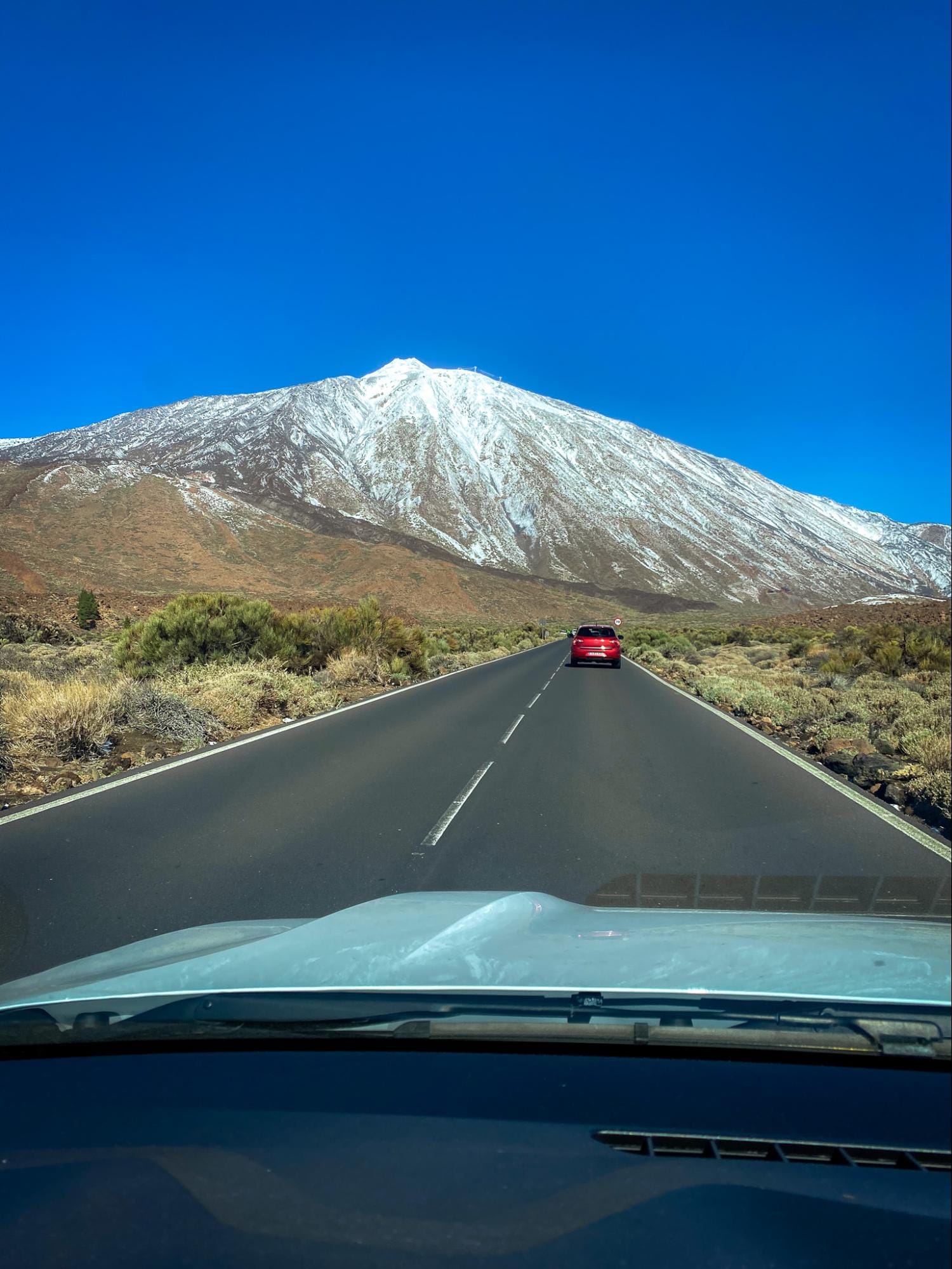
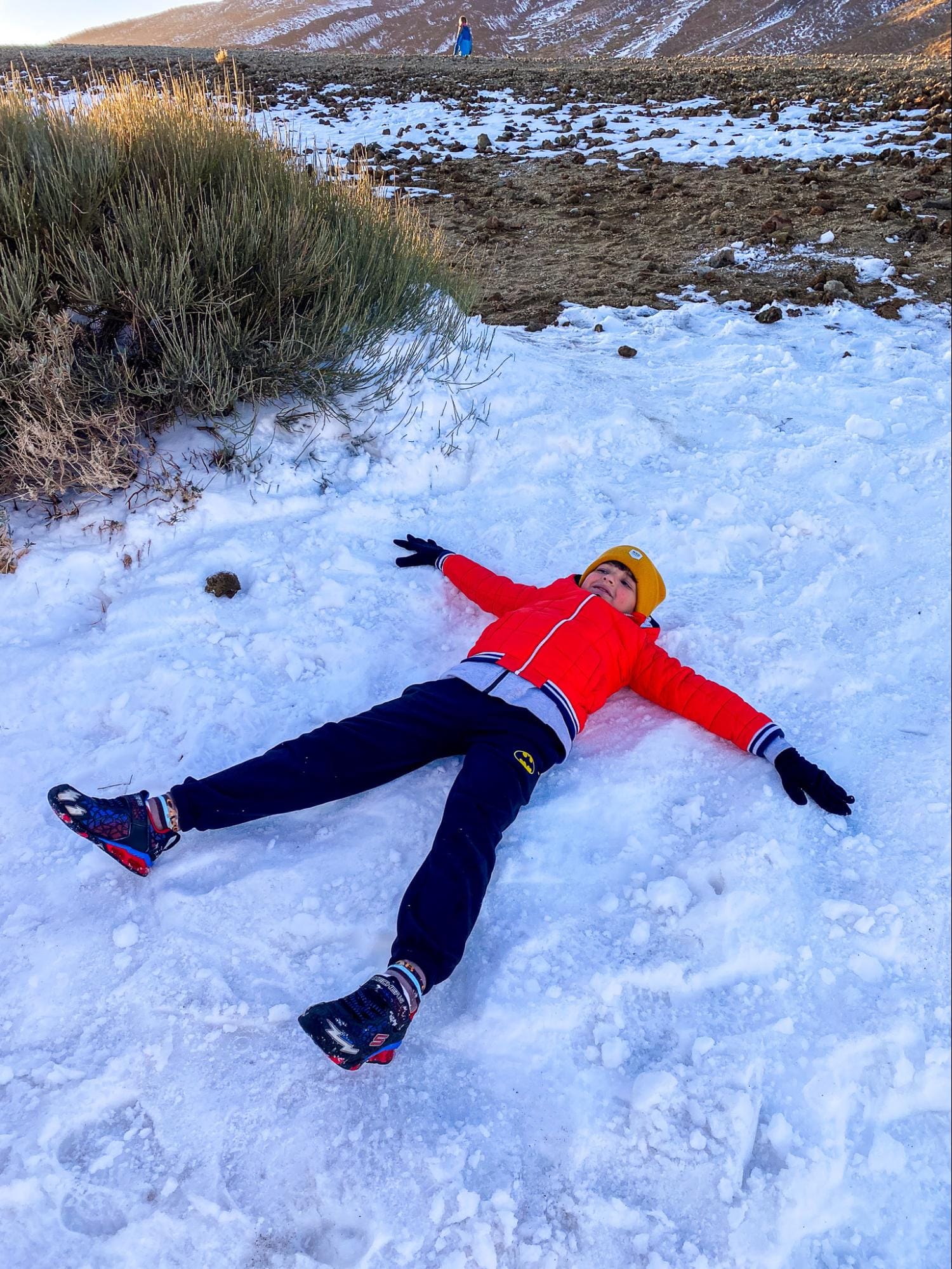
Snow falls on Teide from January to March. Sometimes there's so much snow that the roads to the park are closed for several days until snow plows clear the way. However, this is not a common occurrence. Most park closures are caused by strong winds or icy conditions. Before leaving, always check the road status (TF-21, TF-24, TF-38) on official websites.
Best Stargazing Spot in Tenerife
Along with Hawaii, Tenerife is considered one of the best places in the world for stargazing. The Milky Way is clearly visible here, even to the naked eye, and the Perseid meteor shower is typically seen in August. There are many activities and tours available, including stargazing sessions with professional astrophysicists.
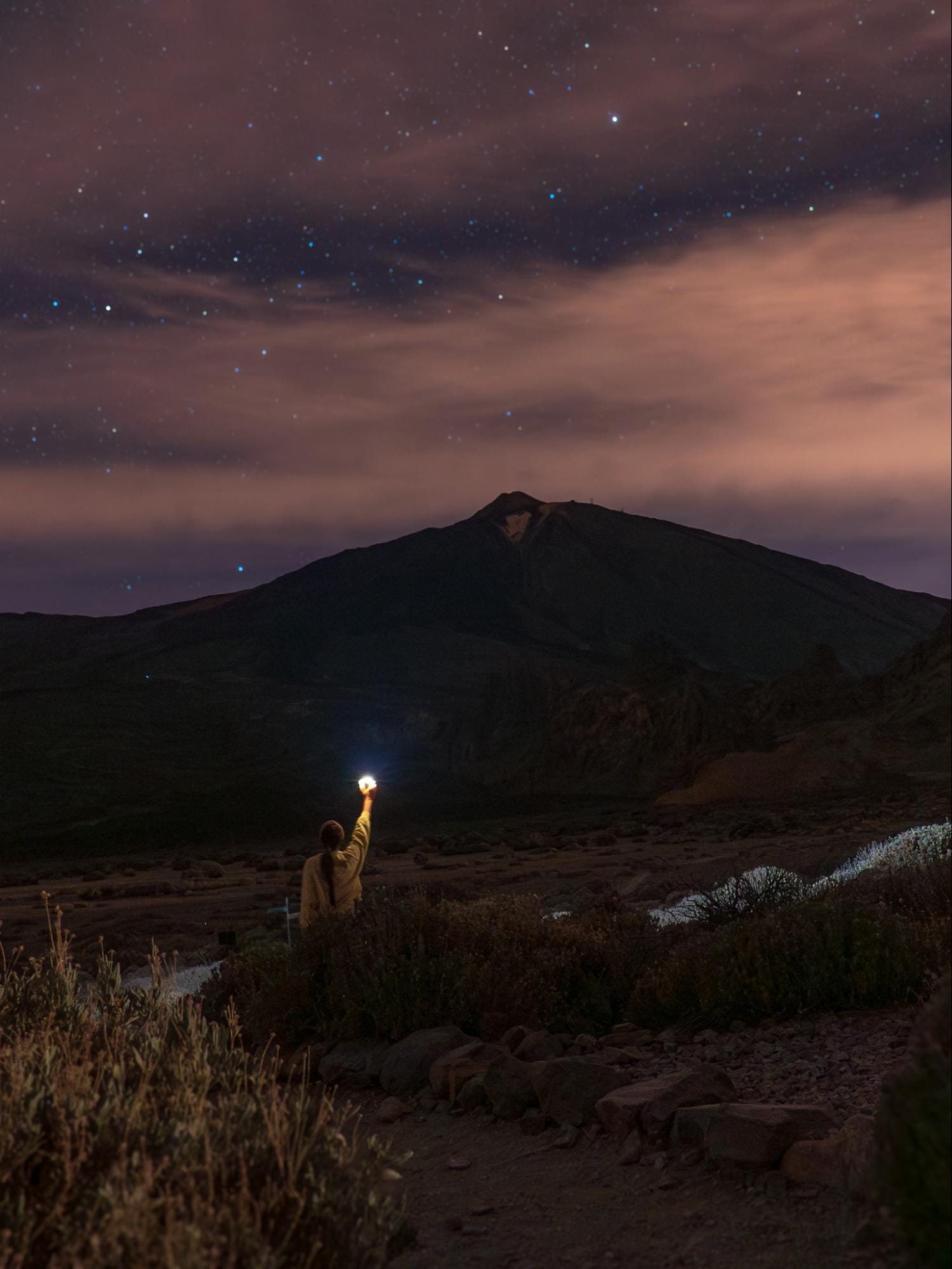
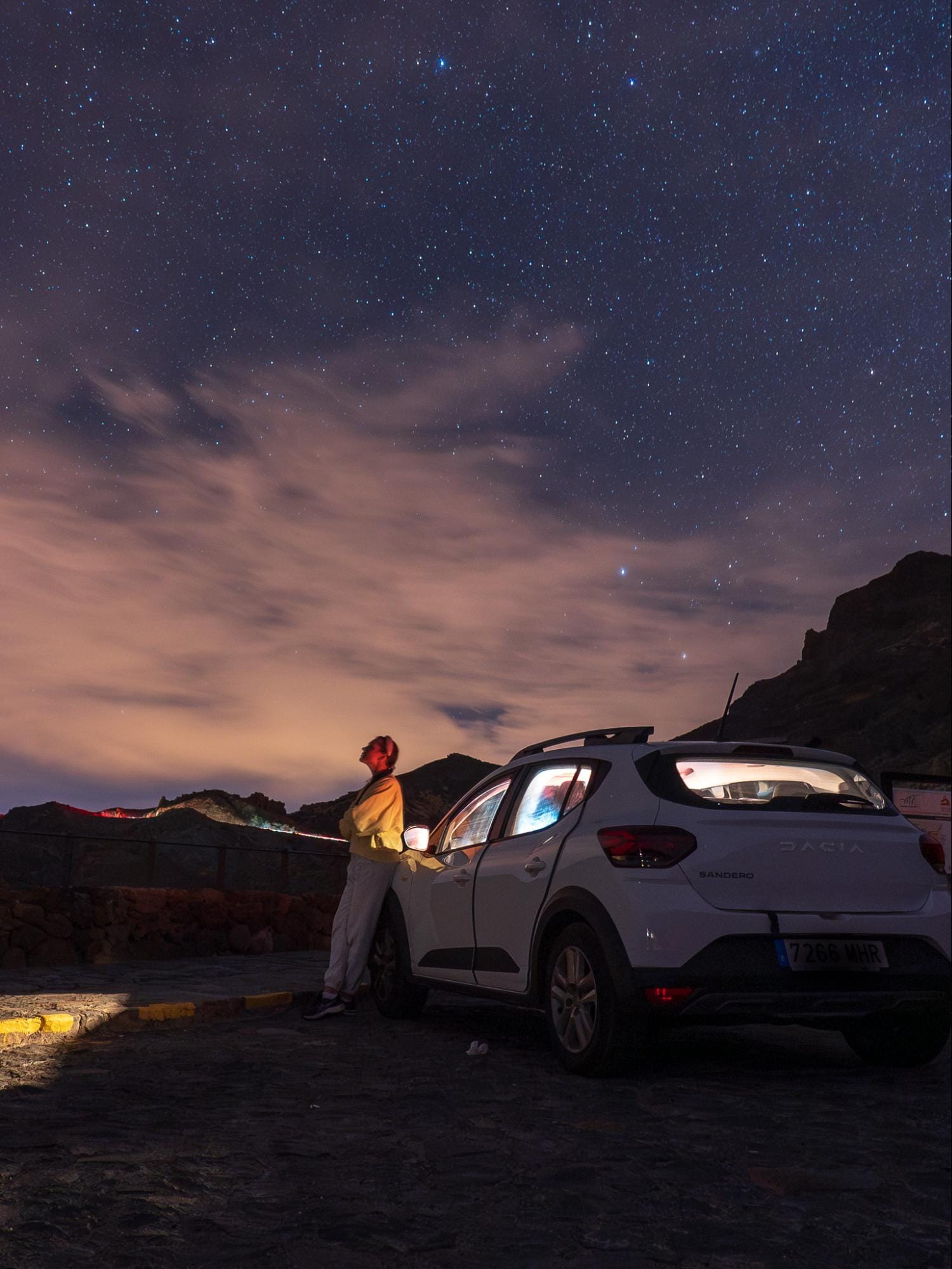
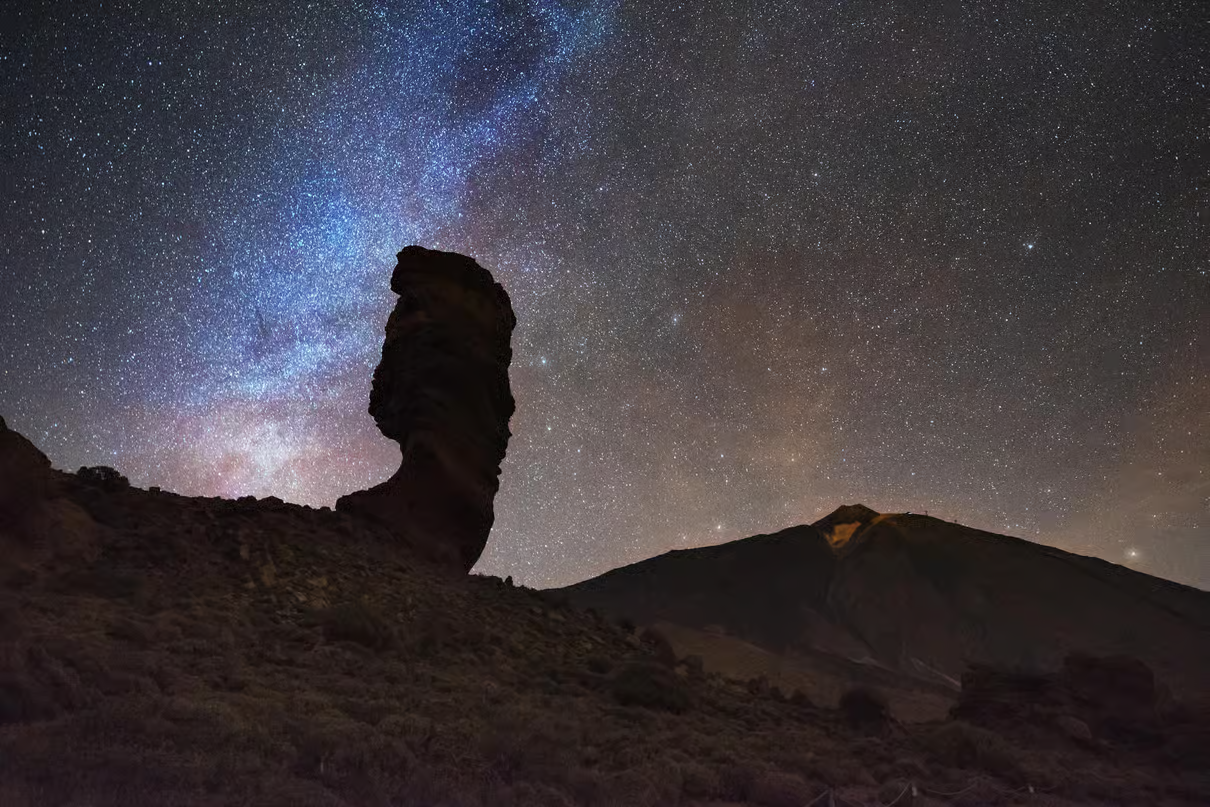
Tenerife Teide National Park Sunset & Stargazing Tour. Watch the sunset over the volcano, then stargaze under some of the clearest night skies in the world, with an expert guide.
Common Mistakes Tourists Make & Practical Tips
Many people underestimate how temperature changes and thin air in the park can affect their well-being.
Therefore, we've compiled a list of the common tourist mistakes and their solutions:
- Even if it's summer at the base, bring a windbreaker, a sweater, and pants. At the summit, the weather can change dramatically in just 15 minutes. SPF and sunglasses are also essential.
- Bring water and snacks. There are only a couple of cafes in the park itself, and you might not be able to find one nearby. The minimum you should bring is 2 liters of water per person and some food. If you're planning a long hike, bring extra supplies.
Don't overexert yourself at the summit. 3.5 kilometers is no joke, and when you take the cable car, the elevation change can be over a kilometer in just a few minutes. Move slowly at the top station, and if you feel nauseous or dizzy, descend immediately.
If you suffer from high blood pressure or cardiovascular problems, it's best to avoid the ascent. It's also not recommended for young children or pregnant women in the late stages of pregnancy.
Final Thoughts
A trip to Teide is a must-do for anyone visiting Tenerife. In just one day, you can see the best viewpoints and walk along well-known tourist trails. Heading up to La Rambleta Station is another great way to see the island from above, although it can be a challenge if you're unprepared. There's definitely a lot to see here, and we're sure you'll remember every second of your time in the park for a long time to come.
Want to explore more of the island? Read our top 31 places to visit in Tenerife — north, south, and everything in between.
Our 3 Recommended Tenerife Experiences
Want to mix your hiking days with something different? These five experiences combine mountain scenery, the ocean and the night sky. Choose the one that fits your interests, fitness and where you are staying.
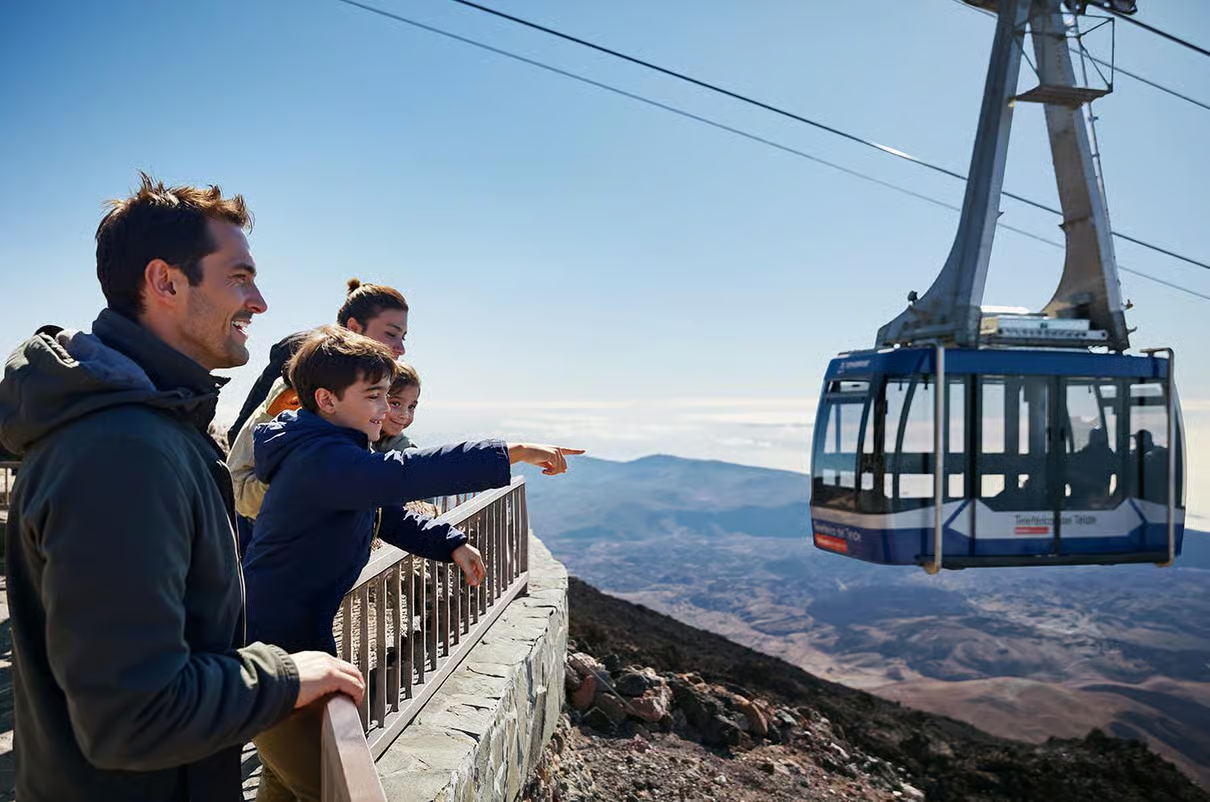
Mount Teide Cable Car Return Ticket with Pick-up. Skip the risk of sold-out tickets and book your cable car ride in advance. Includes hotel pick-up for a hassle-free visit.
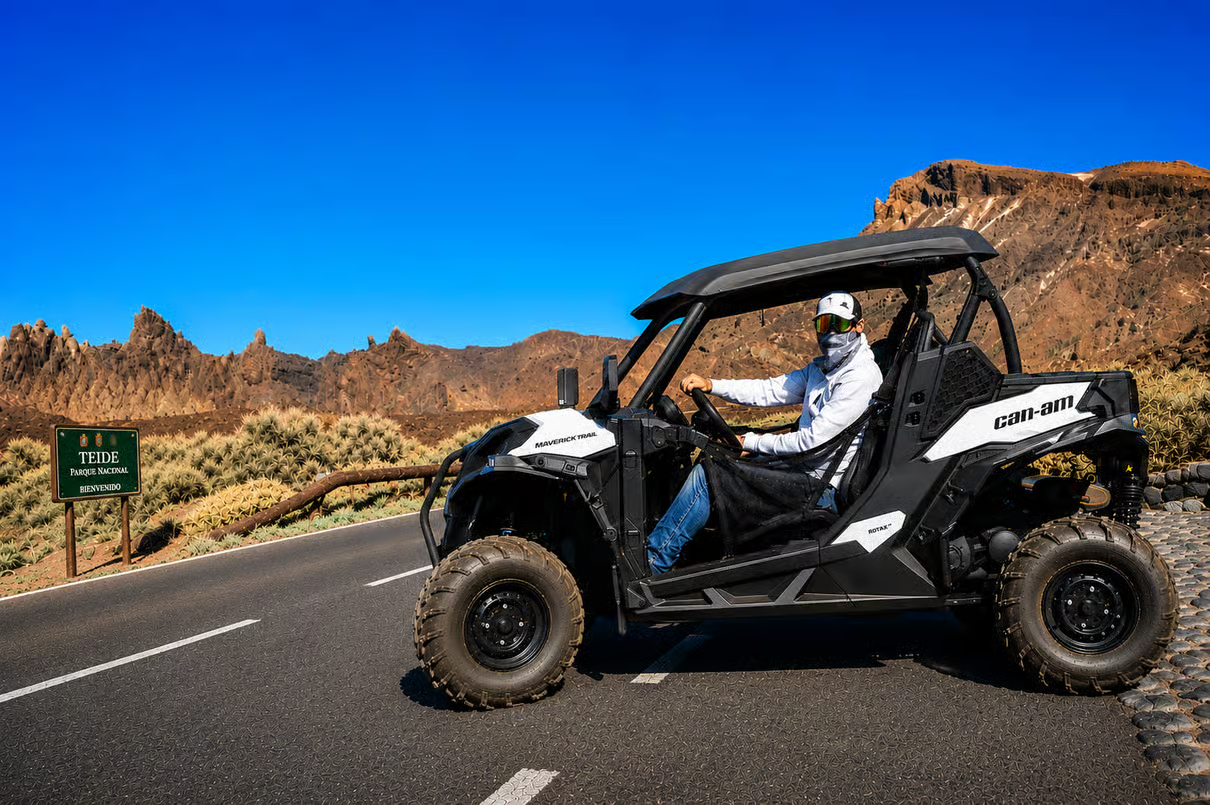
Tenerife: Teide Buggy Tour – Private & Semi-Private. Drive through Teide's volcanic landscapes in an open-sided buggy. Choose a private or semi-private group for a more flexible pace.
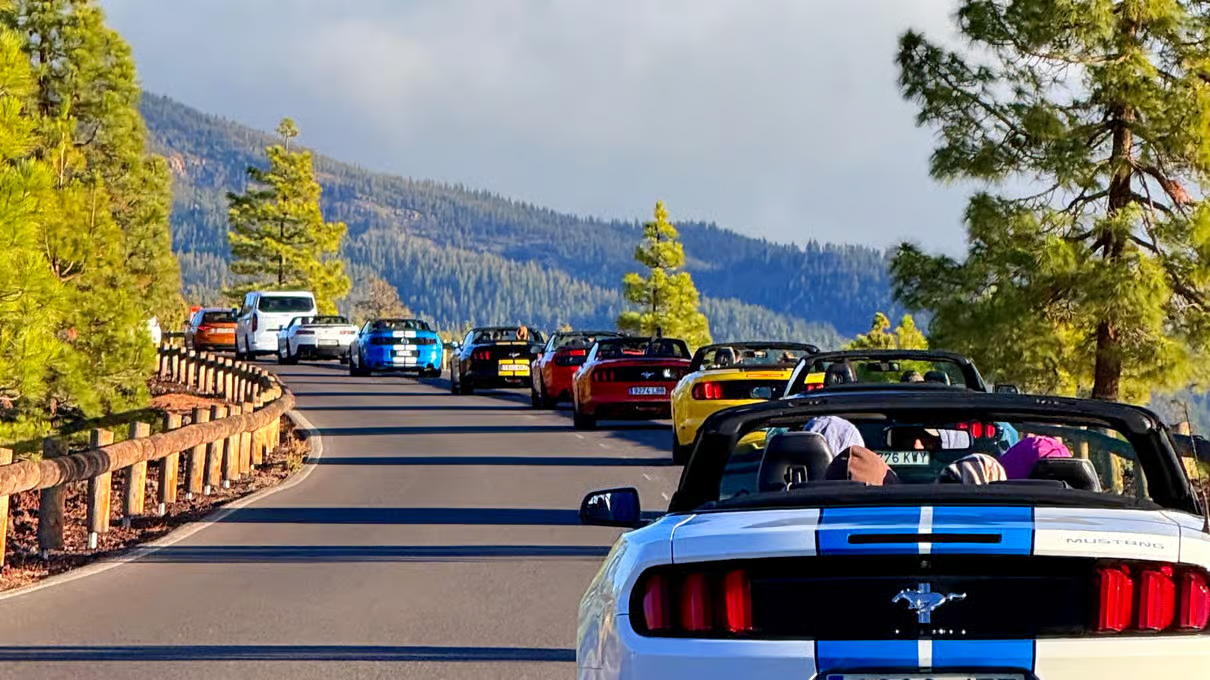
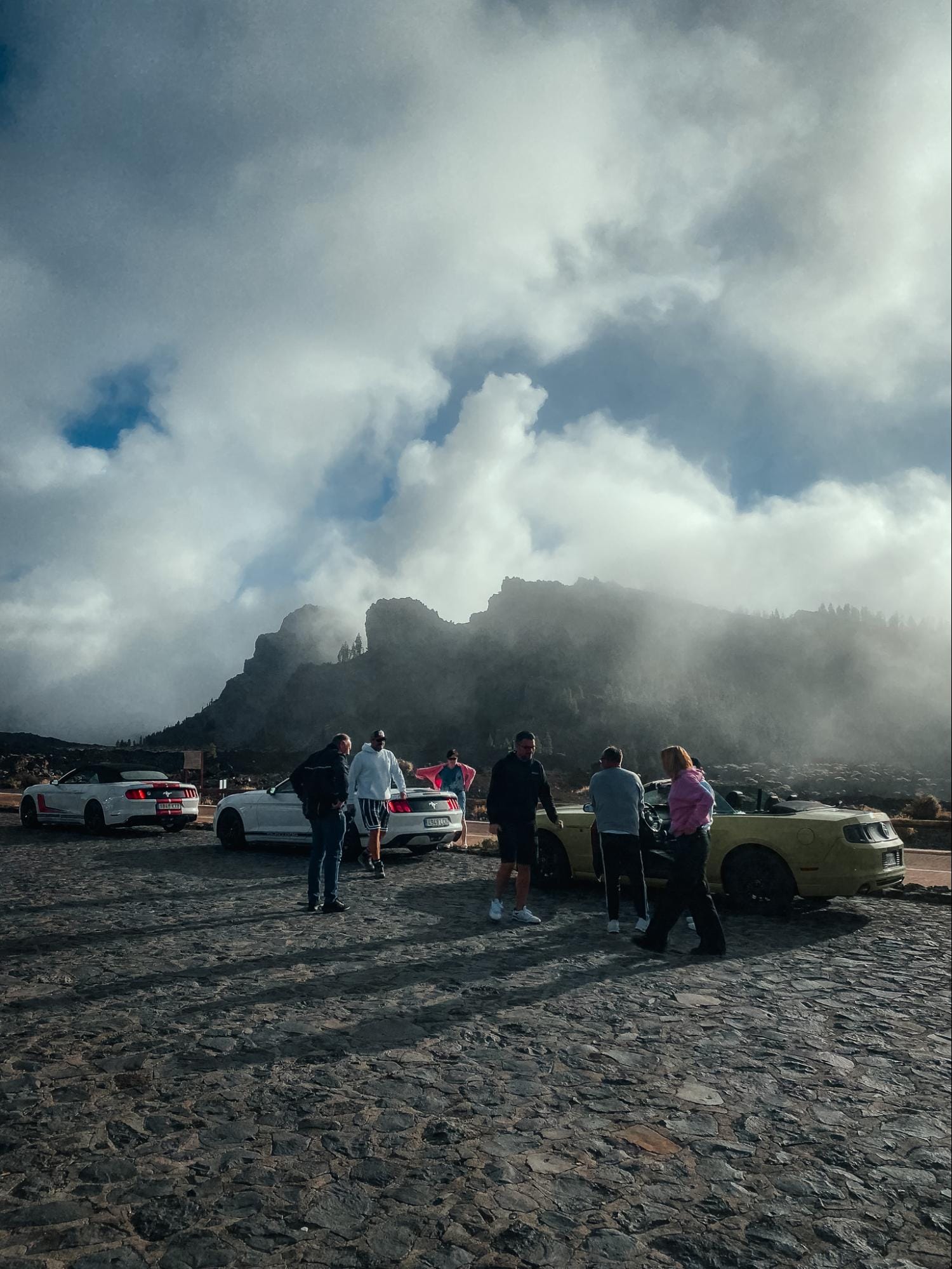
Sunset Tour of Mount Teide by Quad Bike and Mustang Convertible. Watch the sunset over the volcano from a quad bike, then cruise back in a classic Mustang convertible. A unique way to end the day